IntroductionEnvironmental stressors in animal shelters may lead to development of excessive arousal, posing risks to adoptability and behavioral euthanasia. Recommendations regarding excessive arousal in shelter dogs include providing pharmaceuticals and enrichment.MethodsA randomized controlled trial was conducted to assess the influence of enrichment and pharmaceutical interventions on shelter …
Two different comparisons sit inside the result, and a third prediction failed. The blink-video effect appeared only when the face on screen was the dog's owner; the direct owner-versus-stranger comparison separated only for female owners; and the prediction that dogs would time their blinks to a human's was not confirmed.
The ecological niche concept describes the set of environmental conditions a species needs to survive and reproduce, but it has traditionally been applied at the species or population level - even though individual animals are known to vary widely in behavior, diet, and habitat choice.
Scientists say research suggests blinking may have acquired a social relevance in interactions between dogs and people Stare into a dog’s eyes and you may encounter a bemused expression. But researchers have found that dogs blink more often when they see their owners doing so, suggesting there may be more to the mutual gaze than meets the eye. Scientists have previously found that dogs turn on th…
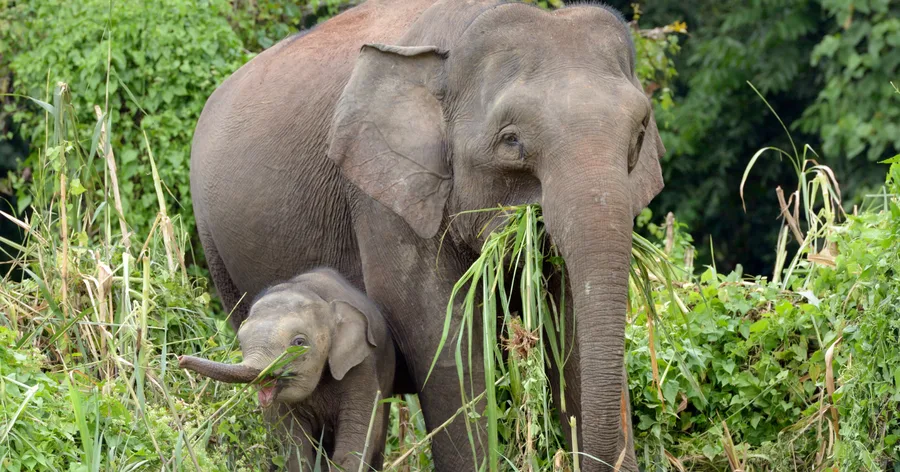
Research in dolphins, elephants, parrots and primates suggests animals may call each other by name, but scientists are divided on how to define the behavior.
A recent study found that man’s best friend processes positive and negative human emotions differently and can distinguish between fearful faces and those showing sadness or anger
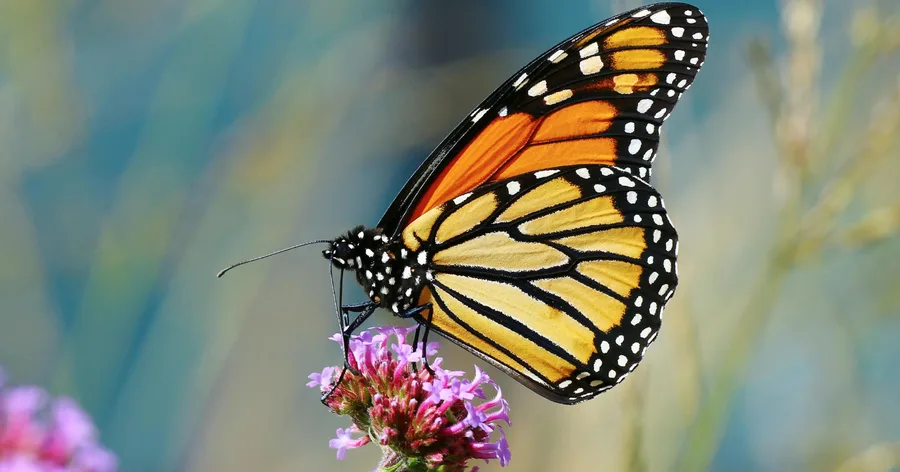
Scientists have finally found a way to track individual monarchs through their impossible journey, armed with a device so light it barely disturbs the insect carrying it.
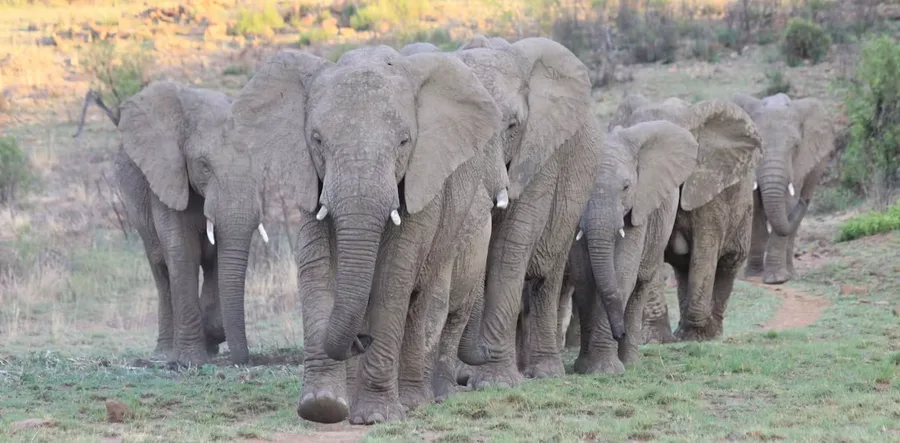
We showed for the first time that social disruption and trauma - such as culling of older elephants - has a lasting impact on the behaviour of African elephants.
Many dog owners have tales of their faithful companion licking away their tears. Researchers investigated whether, beyond being comforting, canines would actually take action to help an upset owner.
Animals can be born with genetic or developmental issues that make it hard for them to live normal lives. They also can develop mental health problems in response to conditions around them.
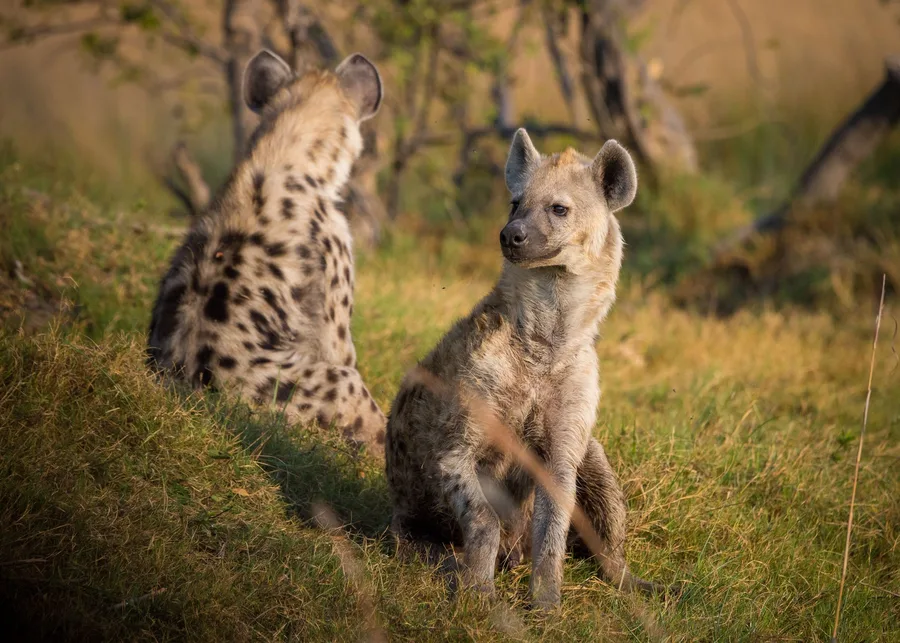
Spotted hyenas solved a two-rope cooperation task rapidly without being coached on the social rule, but solo familiarisation and task ecology make the chimpanzee comparison more specific than a general intelligence ranking.
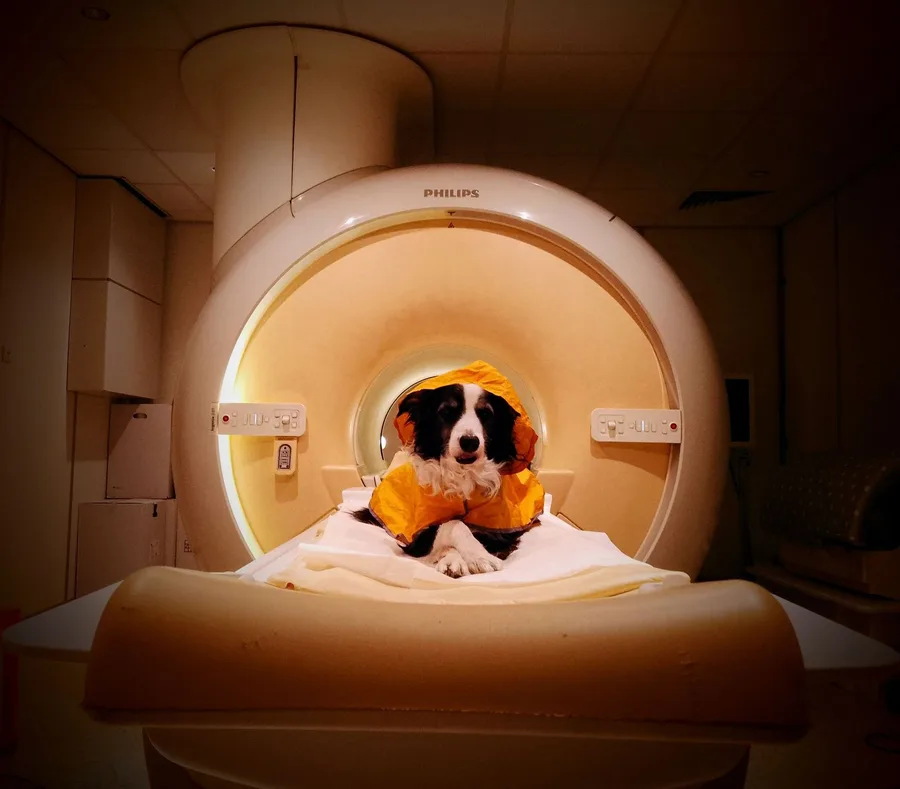
New fMRI research shows that dog brains do more than just separate good moods from bad. Canines display distinct neural patterns for human smiles and can neurologically differentiate between specific negative emotions like fear and anger.





 research.io