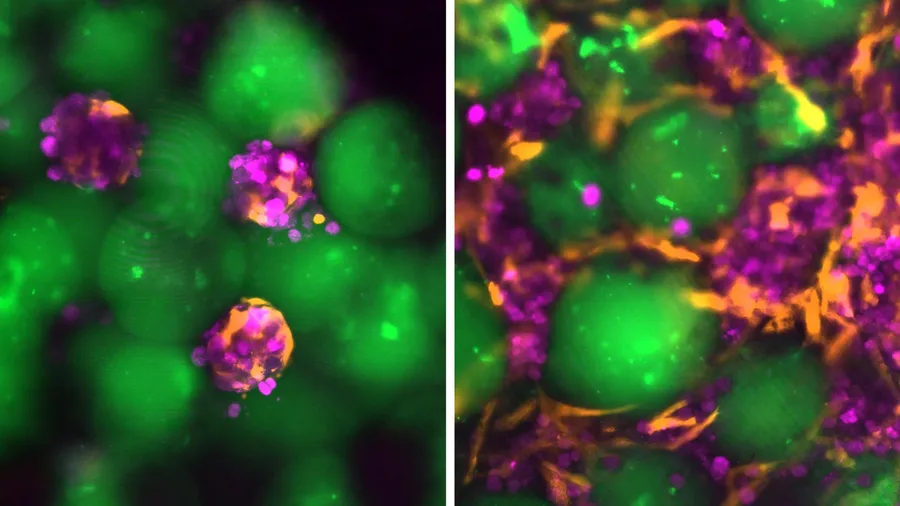
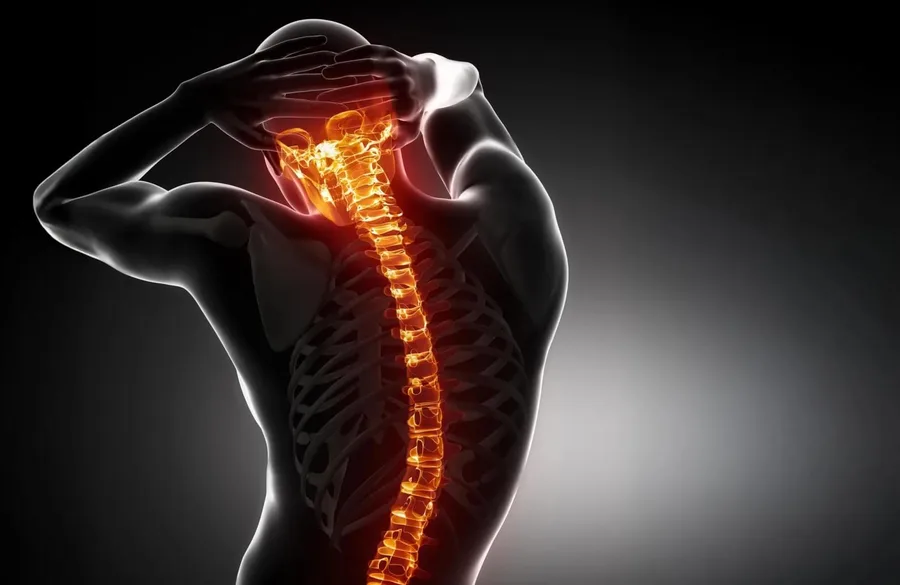
A surprising immune system signal may help explain why zebrafish can regenerate damaged spinal cords so effectively. Researchers found that certain neutrophils release Il-4, which calms harmful inflammation and allows injured nerve fibers to grow again. Without these cells, healing stalled, but adding Il-4 restored regeneration. Scientists now want to know whether the same mechanism […]
MIT engineers have developed injectable “mini livers” designed to help support people whose failing livers can no longer perform essential jobs. Instead of replacing the damaged organ, the approach injects liver cells together with tiny hydrogel spheres and supportive cells, creating a pocket of functioning tissue that can connect to the bloodstream.
[iScience] Researchers investigated whether sheets derived from hiPSC-derived mesenchymal progenitor cells (MPCs) can survive and form tissue-like structures after xenotransplantation. demonstrate that hiPS-MPC sheets generate vascularized tissues in vivo and support survival across species.
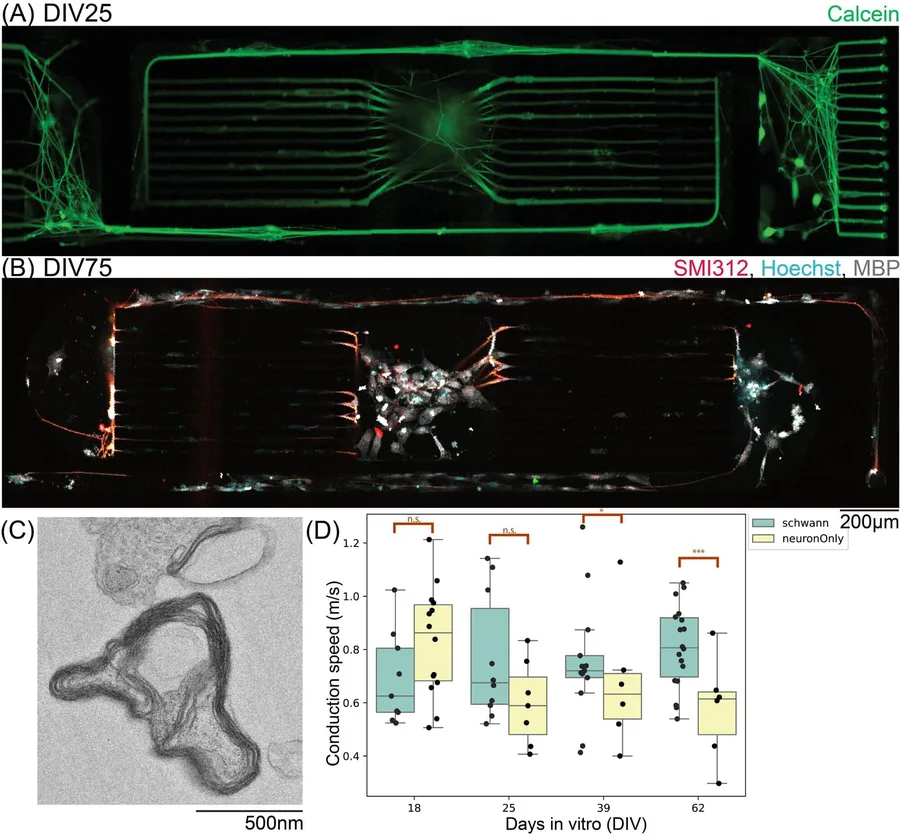
Rice University and collaborators in Switzerland have developed a platform to grow human-derived nerve cells and Schwann cells, supporting cells that form a protective coating called myelin around nerve fibers. This platform enables the formation of functional myelin in a three-dimensional, lab-grown environment. Researchers confirmed that it worked by measuring an increase in the speed […]
I’ve followed a stem cell clinic firm called R3 Stem Cell for years and have had concerns about its practices. There are many R3 Stem Cell clinics both inside and outside the US. In my opinion, at times they seemed to be marketing unproven regenerative cell offerings. Based on past FDA actions and statements, some […] The post Big implications for clinic arena from FDA warning to R3 Stem Cell, Da…
Osteoarthritis (OA) is a prevalent degenerative joint disorder characterized by progressive cartilage destruction, chronic inflammation, pain, and functional impairment. Conventional therapies primarily focus on symptom management and are unable to restore damaged articular cartilage or effectively modify disease progression. Consequently, increasing attention has been directed toward biologic an…
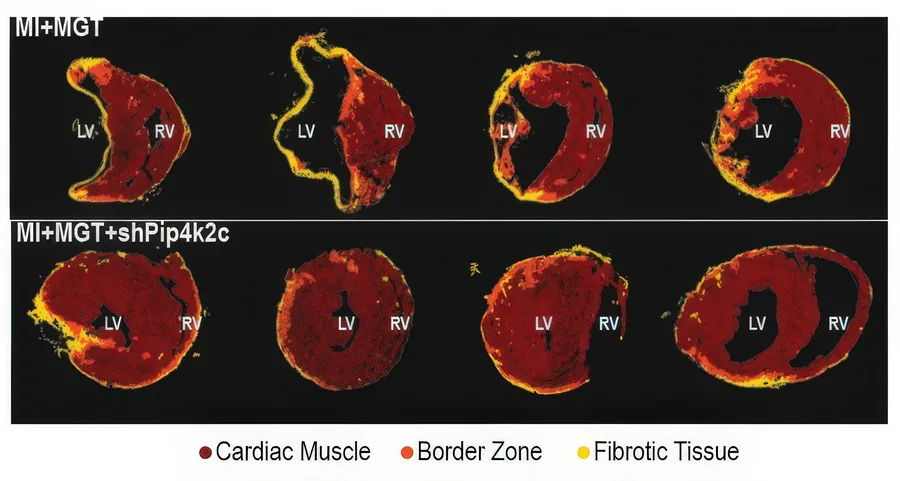
Because the adult human heart cannot repair itself the way skin does, scientists have studied ways to reprogram heart cells to regenerate after heart attacks. Heart cells have very stable identities, however, and are resistant to being reprogrammed.
Scientists at Sanford Burnham Prebys Medical Discovery Institute and collaborators at The Johns Hopkins University School of Medicine published findi…
The Central Social Insurance Medical Council, which advises the health minister, on Wednesday approved the application of public health insurance to RiHeart, a cardiac muscle cell sheet that uses induced pluripotent stem (iPS) cells, effective on Sept. 1. It is the second case of insurance coverage approval in the country for an iPS cell-derived regenerative […]
Human cardiac organoids are important *in vitro* models for cardiovascular disease research, drug screening, and regenerative medicine. Unlike traditional reviews that focus on single technological advances, this article adopts a multi-dimensional integration perspective to systematically summarize innovative breakthroughs in the construction of cardiac organoids through intelligent biomanufactur…
IMDEA Materials Institute has developed mechanically tunable hydrogel membranes that closely mimic the mechanical environment of human skin while remaining highly biocompatible, representing an improved platform for skin tissue engineering and regenerative medicine.
A healthy bone marrow (BM) produces nearly all types of cells in our blood. Many blood disorders occur when hematopoietic stem cells (HSCs) in the BM malfunction.
Conexeu Sciences, a preclinical-stage regenerative tissue platform company, debuted on Nasdaq, framing the public listing as a milestone for its mission of “Architecting Bioregeneration” and for the development of a platform designed to support the biological conditions needed to restore lost or damaged tissue. “At Conexeu, we believe regenerative medicine requires more than incremental improveme…
From Lab to Life: How 3D Bioprinting Could Change Medicine Forever Scientists are developing 3D bioprinting technology to create tissues, blood vessels, skin, and experimental organ structures using living cells and biomaterials. 3D bioprinting is reshaping personalized medicine. It permanently solves the global organ shortage and prevents immune rejection. Surgeons use a patient's own stem cells…
A new study helps advance the knowledge of transplanted liver cell biology. The post Understanding Transplanted Liver Cells for Regenerative Therapies appeared first on Advanced Science News .
The Wake Forest Institute for Regenerative Medicine to host events, including annual summer course bringing together global leaders, researchers, clinicians and industry experts to explore latest advancements in regenerative medicine.


 research.io