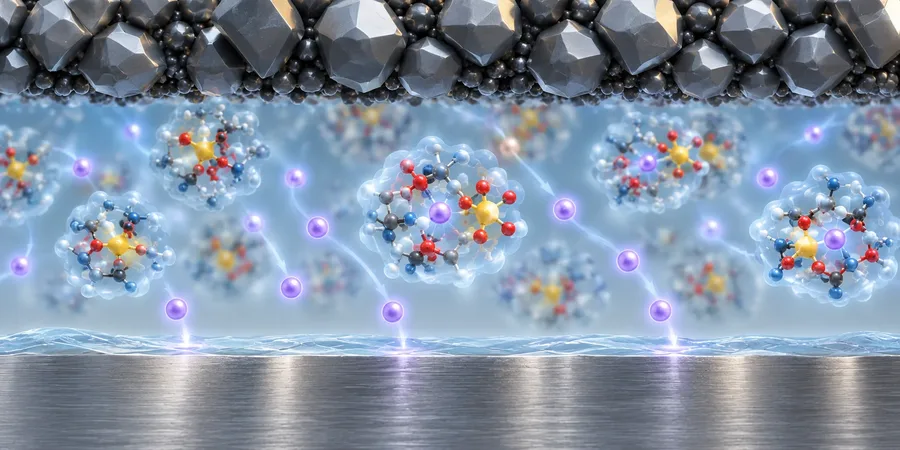
Researchers developed a sterically regulated electrolyte that uses a non-flammable cyclic fluorinated diluent to form isolated solvation nanoclusters, improving lithium-ion transport and stabilizing interfaces in lithium metal batteries. The system enabled NCM811 coin cells to retain 80% capacity after more than 800 cycles, while a separate 6 Ah pouch cell exceeded 500 Wh kg?¹ and showed favorabl…
Georgia Tech researchers developed a way to rejuvenate aging immune cells, potentially restoring the body's ability to better fight cancer, infection, and other diseases.
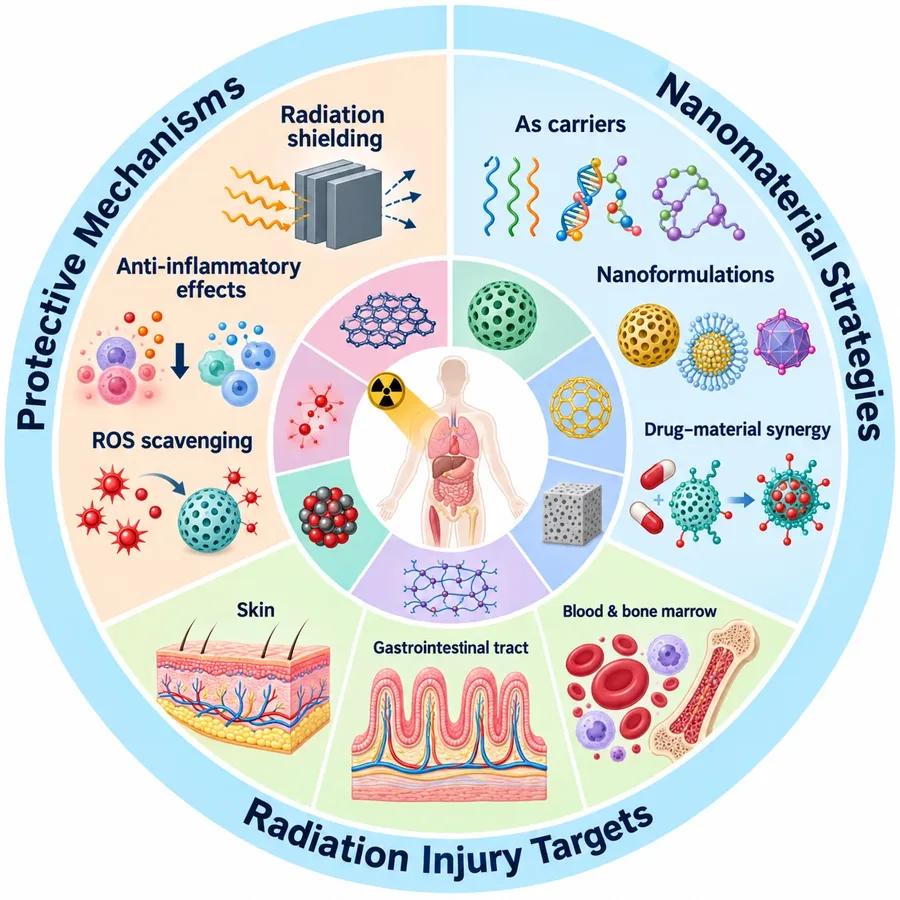
A comprehensive review examined how nanomaterials could protect healthy tissues from radiation damage through targeted drug delivery, reactive oxygen species scavenging, anti-inflammatory activity, and physical radiation shielding. Although experimental studies show promising protection across several tissues and organ systems, most approaches remain preclinical, with long-term safety, biodistrib…
Researchers first screened steel-fiber geometry and length for concrete impermeability, identifying 50-mm hooked-end and 40-mm crimped fibers as the best performers among those tested, before combining them with nano-silica to assess 28-day mechanical properties and microstructure. The hybrid mixtures performed best at 2% steel fiber and 1% nano-silica among the tested levels, with hooked-end fib…
Researchers developed modular organ-targeting metal-phenolic network coatings that altered where diverse nanoparticles accumulated after intravenous administration in mice. By tuning metal ions, phenolic ligands, and PEG molecular weight, the researchers redirected nanoparticles toward the lungs, kidneys, heart, and brain while preserving functional mRNA delivery in coated lipid nanoparticles.
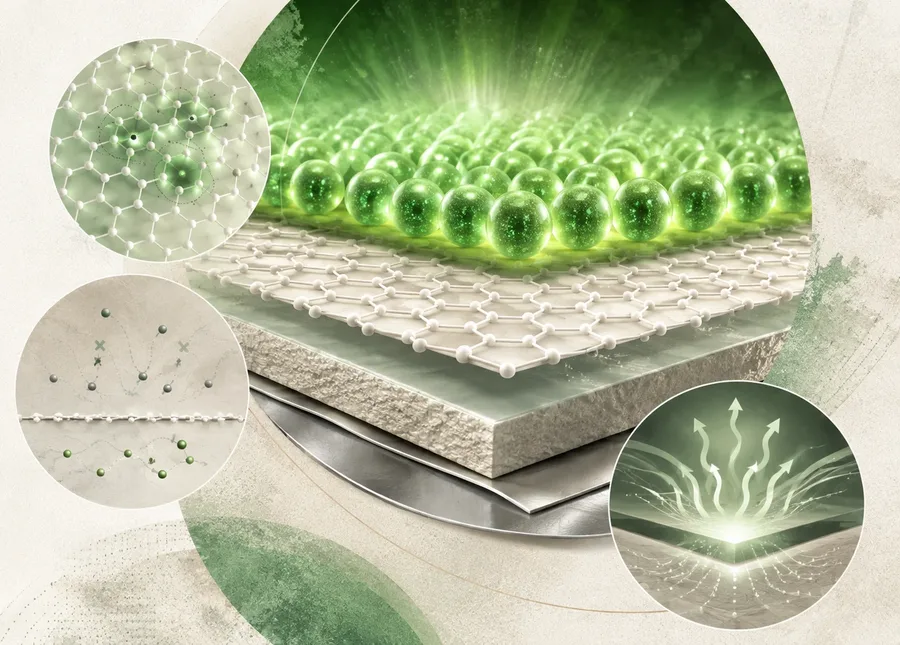
Researchers showed that an ultrathin, nanolayered boron nitride interlayer can improve the stability of perovskite quantum dot LEDs by passivating defects, suppressing ion migration, and enhancing heat dissipation. BN-optimized devices achieved an average peak EQE of 30.05% and a measured T50 lifetime of 102 hours at 2,000 cd m-2, with accelerated testing projecting a T50 of 25,263 hours at 100 c…
Oak Ridge National Laboratory researchers developed an artificial intelligence system that can manipulate individual molecules to build custom materials with atomic precision.
Researchers reviewed 88 studies to assess how nanotechnology could improve firefighters' thermal protective clothing by enhancing flame resistance, thermal management, breathability, and particle filtration, and by adding functions such as sensing. The review finds strong potential for multifunctional nano-engineered textiles but highlights major barriers including scalability, durability, cost, …
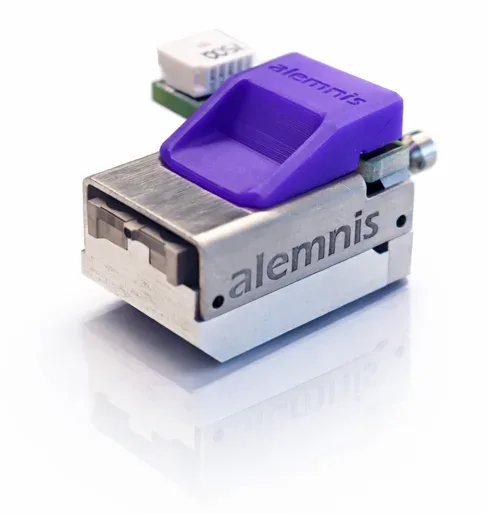
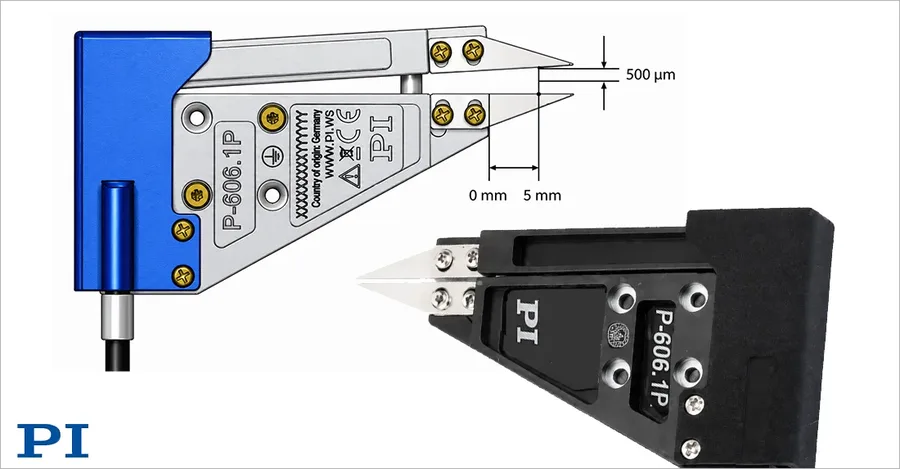
PI introduces the P-606.1P piezoelectric micro gripper, a compact, high-stiffness gripping solution designed for handling micro-optics and FAUs in photonics alignment, assembly, probing, and inspection applications.
A review published in Advanced Materials examines the emerging field of smelltronics, which combines advanced sensing materials, engineered interfaces, sensor arrays, and computational methods to detect and distinguish information-rich volatile organic compounds. The authors highlight how molecular recognition, device integration, machine learning, and improved sensor stability could help transla…
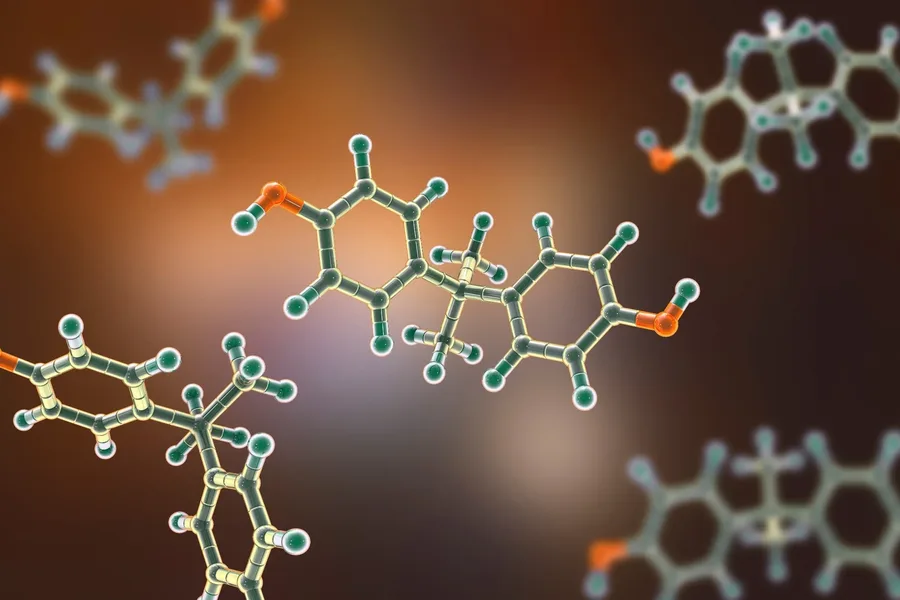
Researchers developed a solid-phase-synthesized nanoMIP sensor integrated with surface plasmon resonance for rapid, label-free detection of bisphenol A in water. The platform detected BPA across 5 to 800 nM with a 1.46 nM detection limit and was validated using LC-MS and commercial drinking-water samples.
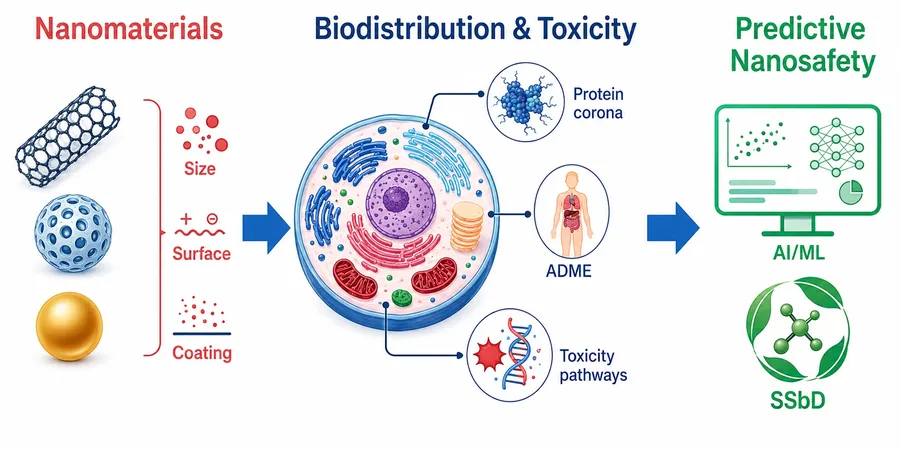
A narrative review of two decades of nanotoxicology research shows how particle size, surface chemistry, protein corona formation, exposure conditions, and environmental transformations can shape the biological and ecological effects of nanomaterials. The authors highlight the growing role of AI and machine learning in predictive nanosafety while stressing that standardized testing, high-quality …
Researchers developed a multilayer MCOF@Au@PEI nanomaterial that captures bacteria, converts near-infrared light into heat, and can be magnetically recovered and reused after treatment. In laboratory tests, the material achieved complete plate-count sterilization of E. coli, S. aureus, and S. typhimurium in experimentally contaminated milk and drinking water within 435 seconds, while also disrupt…
The A-110 PIglide Linear Stage combines air bearing guidance, direct-drive motor technology, and high-resolution encoder feedback in a compact positioning platform for applications where smooth motion and geometric accuracy are critical.
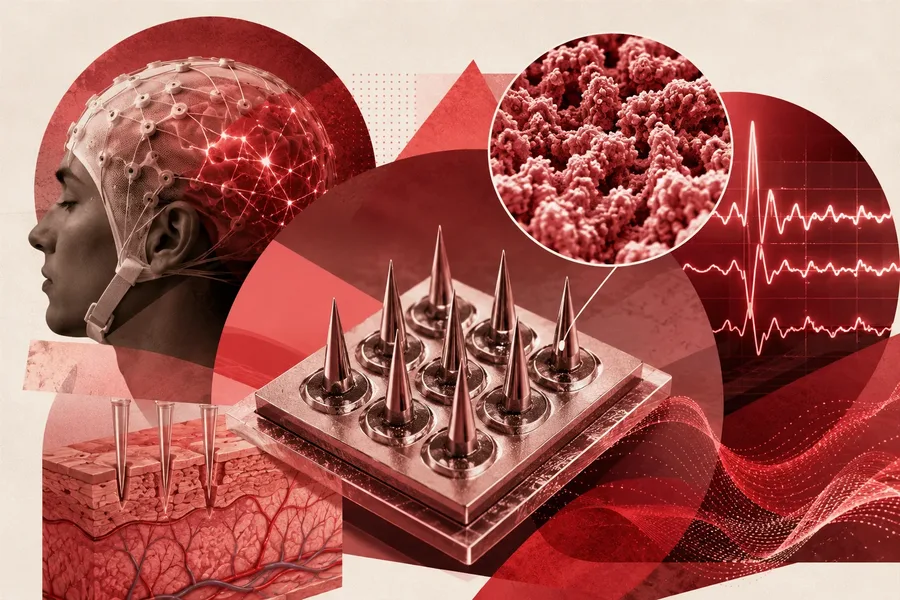
Researchers developed a scalable silicon microneedle electrode using mechanical dicing, KOH etching, and nanostructured platinum to improve dry EEG recording without conductive gels. The nanoPt coating increased electrochemically active surface area by about 15-fold, reduced electrode-skin impedance, and improved proof-of-concept EEG signal quality compared with non-nanostructured platinum-coated…
The review examined nanoparticle applications in aquaculture from 2020 to early 2026, including antimicrobial treatments, targeted drug and vaccine delivery, disease diagnostics, water remediation, and post-harvest applications. While nanoparticles could improve fish health, water quality, and production efficiency, the authors emphasized that many applications remain experimental and require fur…
AI is increasingly being used across precision oncology to accelerate drug discovery, predict resistance, and guide the design of nanoparticle-based drug-delivery systems. The review highlights AI-guided nanocarriers, adaptive treatment strategies, and multi-omics analysis while emphasizing challenges involving data quality, transparency, generalizability, and regulation.
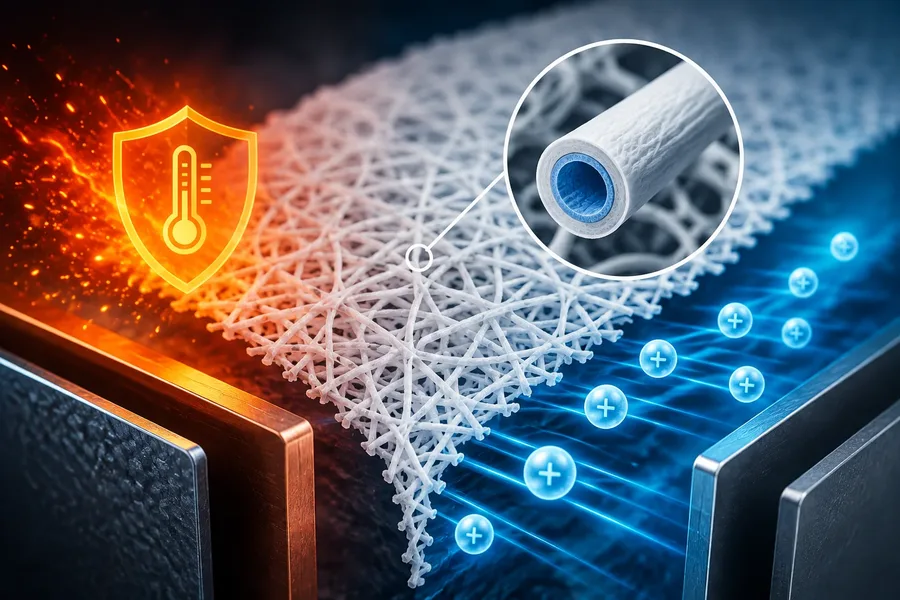
Researchers developed a coaxial core-shell nanofiber separator that combines high thermal stability with substantial stretch tolerance for lithium-ion batteries. The membrane showed far less heat-induced shrinkage than commercial polyethylene and maintained stronger battery performance at elevated temperatures, although repeated stretching degraded its pore network.











 research.io