IntroductionOsteoarthritis (OA) exhibits substantial heterogeneity in synovial immune profiles, which may underlie variable analgesic responses to standard biological and neuromodulatory treatments. Remodeling the immune microenvironment while targeting nociceptive pathways may improve therapeutic consistency.MethodsAnalgesic efficacy of platelet-rich plasma (PRP) combined with transient receptor…
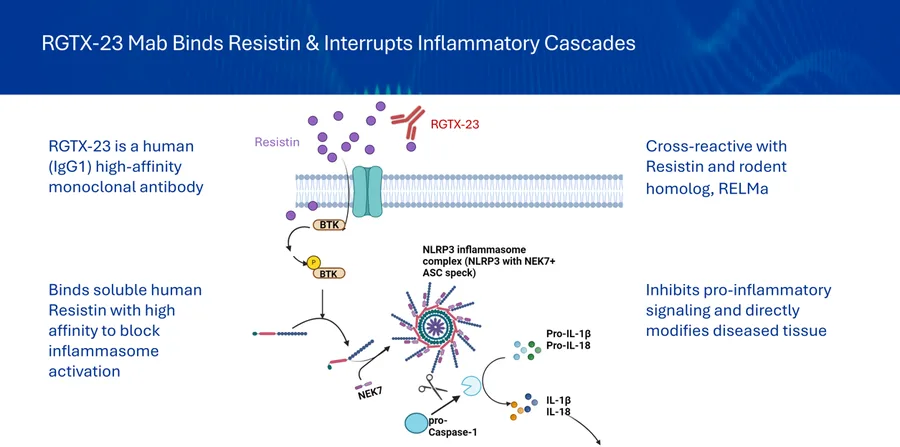
Researchers at Johns Hopkins Medicine have uncovered a critical biological mechanism that helps explain how inflammation is triggered and sustained in a wide range of diseases--highlighting a promising avenue for future therapeutic development.
[Blood Advances] Scientists showed that CD55 protects hematopoietic stem and progenitor cells from complement-mediated damage in aplastic anemia, highlighting complement inhibition as a potential therapeutic strategy
The gut microbiota crucial role in maintaining host metabolism, immune homeostasis, intestinal integrity, and mitochondrial function. Emerging evidence suggests that dysregulation of the microbiota–mitochondria axis represents one of the key mechanisms linking gut dysbiosis to the development of neurodegenerative and ocular diseases. The dysbiosis causes disruptions in mitochondrial physiology du…
Emerging and re-emerging infections expose a persistent mismatch between the speed of pathogen evolution and the pace of therapeutic development. Conventional two-dimensional cultures are scalable but poorly reproduce tissue architecture, whereas animal models may not capture human-specific tropism, immunity, pharmacokinetics, or toxicity. Human organoids and organ-on-chip systems offer complemen…
[Proceedings of the National Academy of Sciences of the United States of America] Researchers developed an activation of hepatic stellate cell-targeted nanocomplex to remodel a rigid fibrotic barrier. This platform inhibits the fibrotic process by inducing cellular senescence and activating endogenous immune surveillance.
What makes music a kind of therapy is the trained professional assessing why it is being used, observing how the patient responds, and adapting it to support a therapeutic goal.
A small U.S. clinical trial suggests that combining psilocybin-assisted therapy with structured counselling may offer new hope for veterans living with severe post-traumatic stress disorder. The research, published in Communications Medicine, found impressive symptom improvements while also showing the treatment could be delivered safely in a carefully monitored medical setting. PTSD affects many…
ObjectivesTo assess the effects of varying doses of cyclophosphamide (CYP) on lower urinary tract function in rats, and to further investigate the role of Piezo2 in sensory neurons in a CYP-induced interstitial cystitis/bladder pain syndrome (IC/BPS) model and its potential as a therapeutic target for electroacupuncture (EA).MethodsLower urinary tract function was assessed by employing cystometry…
dc.title: Nanomedicine Strategies to Ameliorate Neuroinflammation and Prevent Secondary Neural Tissue Damage
dc.description.abstract: The burden of neurological disease remains a global issue continually rising requiring the need for effective therapeutics to disrupt disease progression. Across neurological diseases, neuroinflammation presents as shared a pathophysiological hallmark presenting a …
Modern medicine has dramatically improved survival after heart attacks by quickly reopening blocked arteries. However, many survivors later develop heart failure because the healing process leaves behind stiff scar tissue that weakens the heart muscle. Doctors currently have very few treatments that directly target this scarring process. A research team at Uppsala University believes they […] The…
Alzheimer’s disease (AD) is a progressive neurodegenerative disorder characterized by memory loss, cognitive decline, and behavioral disturbance, largely associated with amyloid-β accumulation, tau protein pathology, synaptic dysfunction, oxidative stress and neuroinflammation. Previous research emphasizes the critical roles of impaired neurogenesis and neuroplasticity in cognitive dysfunction an…
BackgroundCurrent eradication therapies for Helicobacter pylori (H. pylori) are increasingly compromised by the emergence of antibiotic resistance and adverse side effects. Exploration of non-antibiotic, targeted therapeutic alternatives is essential for effective H. pylori management.AimTo evaluate the therapeutic efficacy of a rationally designed specific antiserum targeting a BabA189−244-FrpB4…
In this episode of Curing with Sound, we speak with Jim Rorie, a licensed private investigator from North Carolina whose career and daily life were profoundly affected by chronic low back pain following a multi-vehicle collision. After months of physical therapy and painful nerve block injections, Jim became one of the first patients in the ...
Chronic kidney disease (CKD) is a significant health problem around the world. It can progress towards end-stage renal disease (ESRD), in which the current therapeutic options are dialysis and kidney transplant, which have several challenges in therapy compliance and finding a donor. There is a crosstalk between high blood pressure, diabetes, and obesity, which are the leading causes of CKD. The …
In a promising development for cancer treatment, a collaborative research team has overcome two issues that have prevented photo thermal therapy, a much less invasive treatment option than surgery and/or radiation, from becoming more common.
Cancers don’t come much worse than the brain cancer glioblastoma, and it is notoriously difficult to treat. Even with surgery, radiation, and chemotherapy, fewer than 30 percent of patients are alive two years after diagnosis. Scientists are busy hunting for treatment approaches that can improve those survival rates, and a team from Oregon State University […]
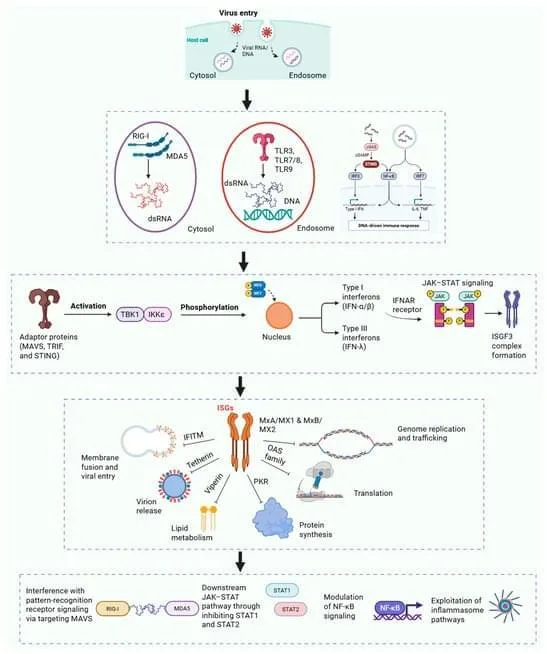
Host–virus relationships regulate every phase of viral infection and critically influence course of illness and the effectiveness of treatment. Viruses utilize host receptors, intracellular trafficking routes, metabolic programs, and immunological signaling networks to introduce infection, while host cells use innate and adaptive immune responses that both limit viral replication and, in certain …




 research.io