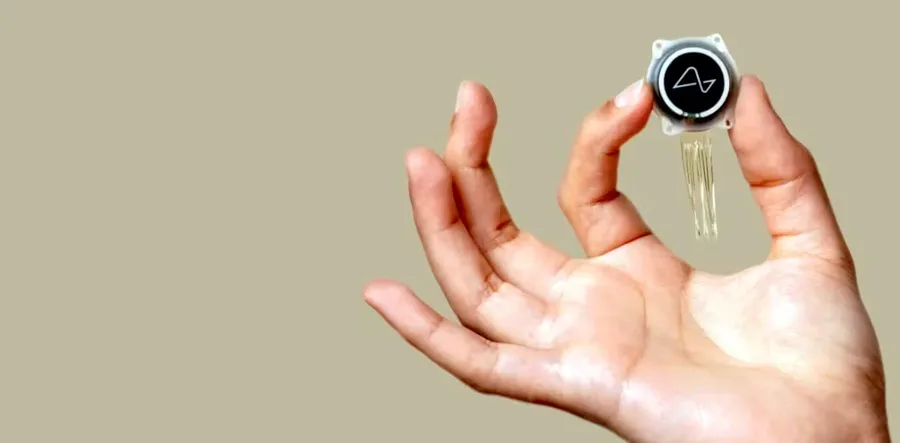
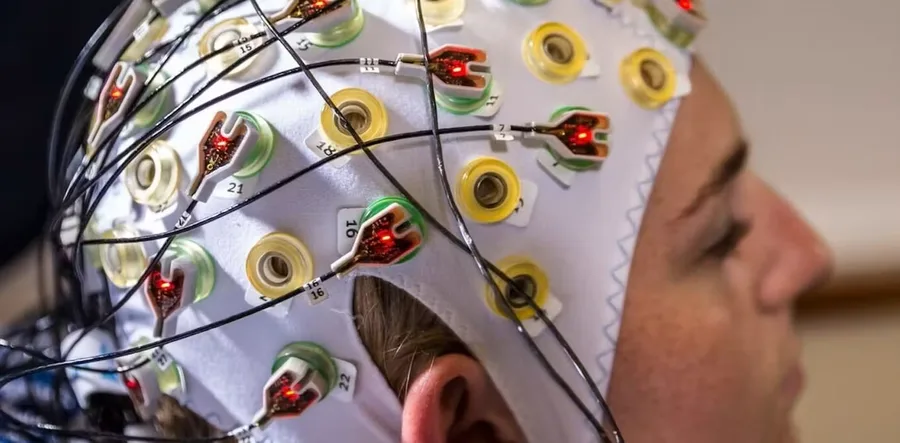
IntroductionPhysicians and neurotechnology companies each play a critical collaborative role when integrating neurotechnology into clinical practice. Physicians serve as gatekeepers and decision-makers in adopting neurotechnology, while companies often support the development, training, and maintenance of these devices. Relationships with industry require physicians to navigate complex clinical, …
Integrating recording electrodes into optical imaging devices presents significant fabrication and material challenges, particularly for lightweight platforms used in freely moving applications. Here, we report an optimized laser carbonization process for the direct fabrication of high-performance carbon microelectrodes compatible with on-chip imaging platforms. We systematically investigated the…
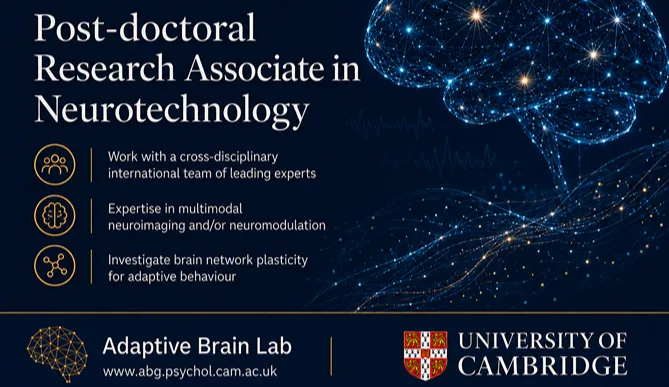
Join the Adaptive Brain Lab at the University of Cambridge as a Post-doctoral Research Associate in Neurotechnology. Work with a cross-disciplinary international team of leading experts investigating brain network plasticity, […]
(Wired) – Silicon Valley companies are already working on neurotechnology products that track your brain activity. The next privacy frontier might be the things you only think. All brain-reading technologies work on the same basic principles: They first record the … Read More
On Thursday, July 23rd, I resigned from OpenAI. On the 24th, I started as a Founding Researcher at Conduit. We're building telepathy: thought-to-text models, trained on non-invasive neural data.
I'll talk about:
- Thought-to-text: what using telepathic tools will be like in 2027, 2030, and 2035
- How do we build thought-to-text: why Conduit is collecting immense quantities of non-invasive neural …
As neuroscience and neurotechnology accelerate, Georgia Tech researchers are examining what a neuro-connected future could mean for society and for humanity itself.
Distributed arrays of wireless neural interfacing chips with 1–2 channels each, known as “neural dust,” could enhance brain machine interfaces (BMIs) by removing wired connections through the scalp and increasing biocompatibility with their submillimeter size. Although several neural dust designs have emerged, currently reported procedures for implanting them in batches place the chips directly i…
Clinical trials involving deep brain stimulation (DBS) are challenging to implement due to invasiveness and complexity of the therapy, substantial barriers to participant recruitment and retention, and difficulties translating emerging technologies into routine clinical practice. The 2023 Brain Research Through Advancing Innovative Neurotechnologies® (BRAIN) Workshop on Patient Recruitment in DBS…
NOTE FROM TED: This talk only represents the speaker’s personal approach to and understanding of neural systems, technology, and defense. TEDx events are independently organized by volunteers. The guidelines we give TEDx organizers are described in more detail here: http://storage.ted.com/tedx/manuals/t… Autonomous systems can process vast amounts of information—but they struggle when the unexpec…
From Neuromodulation to Neurotechnology Over the past two decades, psychiatry has witnessed remarkable advances in neuromodulation. Treatments such as transcranial magnetic stimulation (TMS), electroconvulsive therapy (ECT), vagus nerve stimulation (VNS), and deep brain stimulation (DBS) have transformed the care of... The post A New Brain–Computer Interface for Treatment-Resistant Depression: Th…
Elon Musk UPDATE Neuralink 4.0 Chip introduces Neuralink’s next-generation O1 brain chip developed with Samsung. This video explores the latest progress of the Neuralink 4.0 chip, including movement restoration, speech recovery, Blindsight vision technology, and how Neuralink patients are using brain-computer interfaces today. We also examine Samsung’s 4nm partnership, the new R1 surgical robot, …

 research.io