Dr. John A. Batsis was recently recognized by The Obesity Societywith the 2026 George L. Blackburn Award for Excellence in Obesity Medicine. Dr. Batsis will be formally honored at the Society’s 44th annual meeting this November. Throughout his professional career, Dr. Batsis has dedicated himself to caring for older adults. In his role as a clinician-researcher, he examines the impact of obesity …
Moonwalk Biosciences plans to shepherd its lead obesity asset into first-in-human trials in late 2027. In preclinical studies, MW101 has demonstrated weight loss and fat reduction while maintaining muscle mass.
The remarkable rise of GLP-1 medicines began with diabetes treatment, but their story is becoming much bigger. As millions of people use these drugs for obesity and other health problems, researchers are discovering changes in the body and behavior that were not expected at the beginning. A new editorial by Dr. Steven Heymsfield of LSU’s […] The post The Surprising Effects of Weight Loss Drugs ap…
TUESDAY, Sept. 8, 2026 — A growing number of younger children are being prescribed weight-loss drugs like Ozempic or Zepbound to treat their obesity, a new study says.While it’s still relatively rare to see children younger than 12 prescribed GLP-1...
Metabolic bariatric surgery improves menstrual cycle frequency and symptoms of polycystic ovaries in women living with obesity, a new study from the University of Surrey reports.
GLP-1 medications have been a gamechanger in the fight against obesity. But for a minority of patients, their impact is negligible. Why? When Mercedes was told by her doctor that she could be prescribed GLP-1 weight loss jabs in 2024, she broke down. “[When] she said yes, I cried in her office. And I didn’t really stop crying for a week,” she said. “Finally, after being overweight my entire life,…
Although the number of US children under age 12 with obesity being prescribed the weight loss drugs Saxenda, Wegovy, and Zepbound remains low, the number is 310 times higher in June 2026 than it was in 2019, when the drugs were initially prescribed, a new study shows.
Efficacy plateaus, muscle loss and weight rebound are testing the limits of GLP-1 success, pushing companies toward new mechanisms and multitarget designs to close the gap. But progress depends on understanding disease biology and selecting the right drug candidates to derisk clinical trials.
Scientists have found an unexpected possible use for a drug that was originally developed for brain disorders. In animal experiments, the medicine helped obese mice lose weight and improved several signs of poor health, even though the animals did not eat less or exercise more. The research was carried out by scientists at Johns Hopkins […] The post Old Drug May Unlock a Better Way to Fight Obesi…
A systematic review and meta-analysis of nine randomized controlled trials involving 6,239 adults with overweight or obesity without diabetes found that subcutaneous semaglutide produced substantially greater reductions in body weight, waist circumference, and C-reactive protein than placebo. The higher dose of 7.2 mg semaglutide showed potential for greater weight loss, although the evidence is …
Nature Communications, Published online: 31 August 2026; doi:10.1038/s41467-026-77116-9 How obesity disrupts central glucose sensing remains poorly understood. Here, the authors use single-cell transcriptomics to identify hypothalamic and hindbrain neurons that respond to elevated blood glucose and show these responses are impaired in obesity.
Background: Treatment with the β3-adrenergic receptor (AR) agonist mirabegron improves insulin sensitivity β, cell function, and glucose tolerance in individuals with obesity, without weight loss or a change in brown adipose tissue (BAT) (Finlin et al, J Clin Invest. 2020 May 1;130(5):2319-2331). Furthermore, mirabegron treatment increased protein expression of beige adipose markers and the numbe…
Obesity and eating disorders have traditionally been treated as separate areas of healthcare – but the rapid rise of GLP-1 medicines is increasingly bringing the two together.
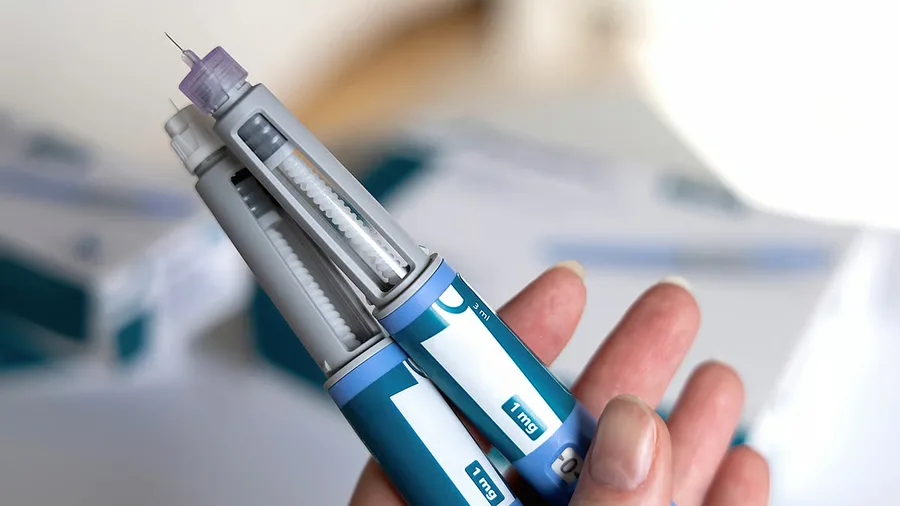
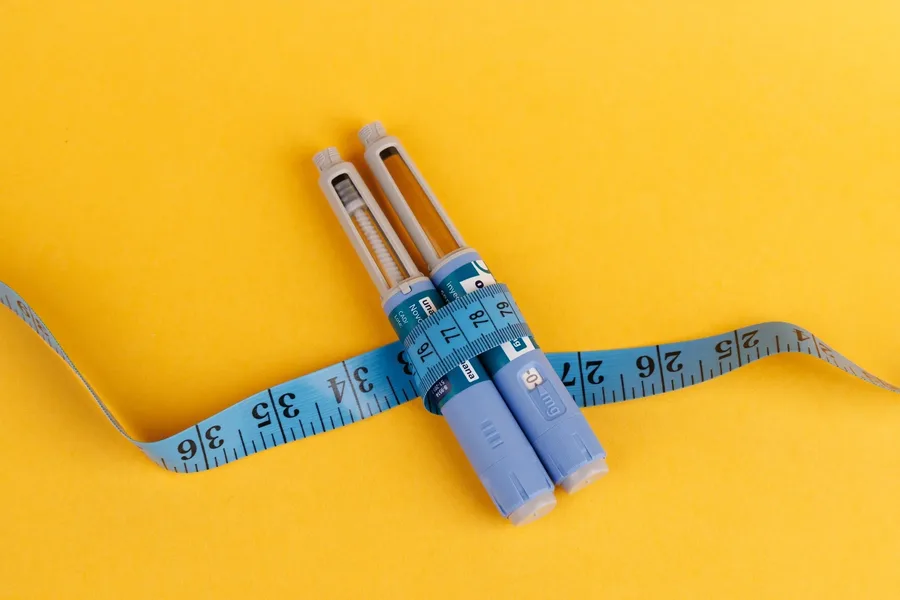
Drugs such as Ozempic, Wegovy, Mounjaro, and Zepbound have changed the way doctors treat obesity and type 2 diabetes. These medicines can help people lose a large amount of weight by reducing appetite, slowing digestion, and helping the body control blood sugar. These treatments belong to a group often called GLP-1 medicines. Some newer drugs, […] The post New Obesity Drug Strategy Could Burn Mor…






 research.io