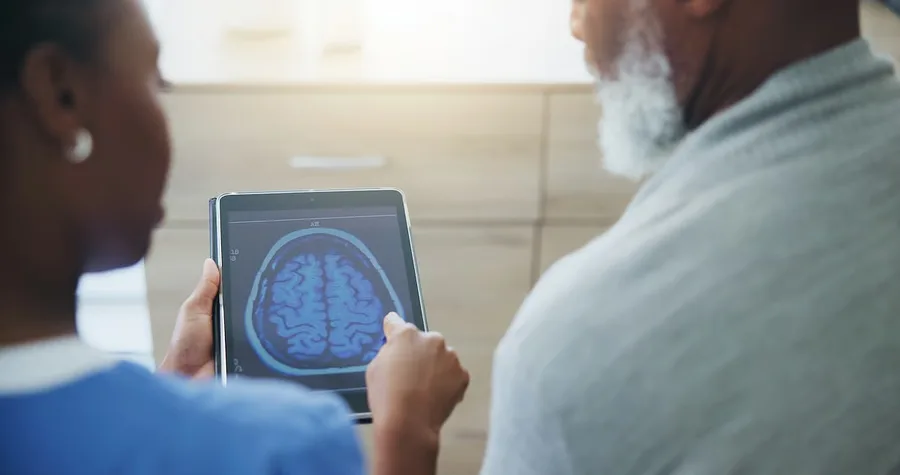
Quotes Dr. Andrew Liu, associate professor of neurology and pathology in the School of Medicine and DIBS faculty network member Dr. P. Murali Doraiswamy, professor of psychiatry and behavioral sciences and medicine at Duke.
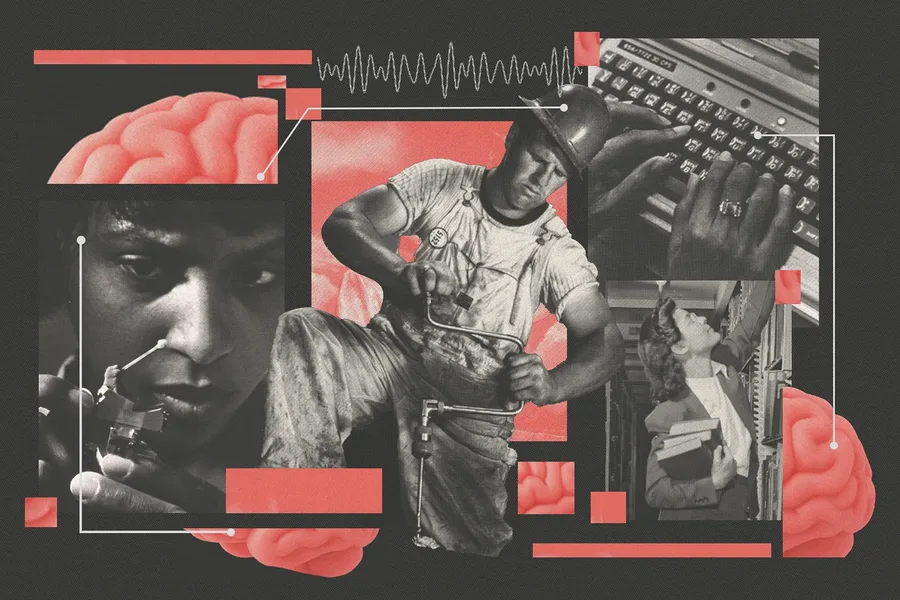
Quotes Nita Farahany, Robinson O. Everett Distinguished Professor of Law, professor of Philosophy and DIBS Faculty Network member. She is a leading scholar on the ethical, legal, and social implications of emerging technologies.
Eva Naumann, assistant professor of Neurobiology and member of the DIBS faculty network, is part of an international collaboration to create a realistic larval zebrafish simulation and a biomimetic robot to study how fish hold their position in currents.
Duke biomedical engineers, including Tatiana Segura, Robert Plonsey Distinguished Professor, have developed an injectable biomaterial that helps transform the cavity left behind after a stroke into an environment more supportive of repair.
Congratulations to Felipe De Brigard, professor of Philosophy and Psychology & Neuroscience and member of the Center for Cognitive Neuroscience. His project will examine the feasibility of creating a master’s degree program in cognitive science at Duke.
A new documentary about ALS focuses on the work of Richard Bedlack, distinguished professor of neurology and faculty network member of the Duke Institute for Brain Sciences.
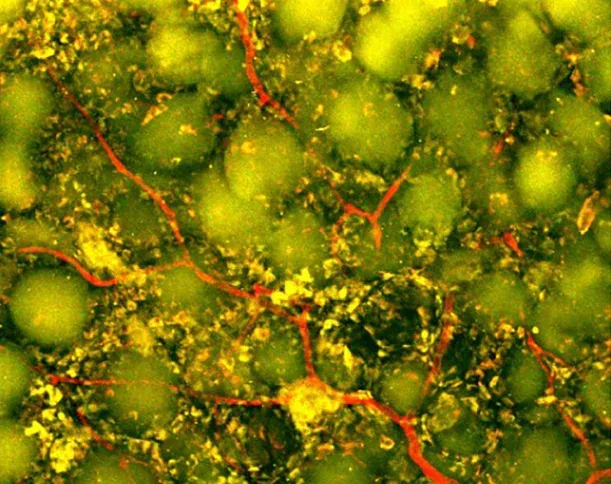
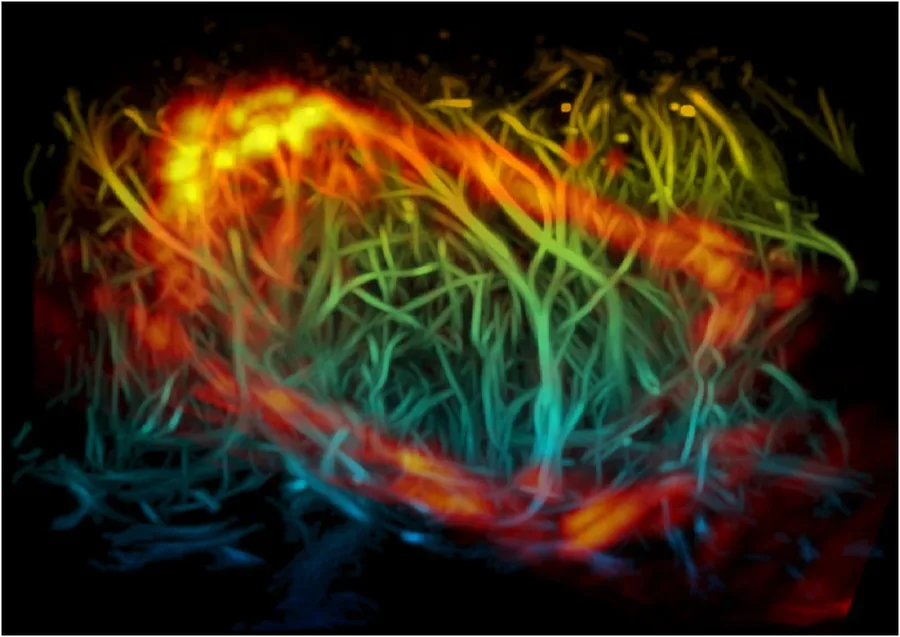
Biomedical engineers at Duke University have developed a technique to non-invasively visualize the brain’s waste-removal system in unprecedented detail. Features Junjie Yao, Jeffrey N. Vinik Associate Professor of Biomedical Engineering.
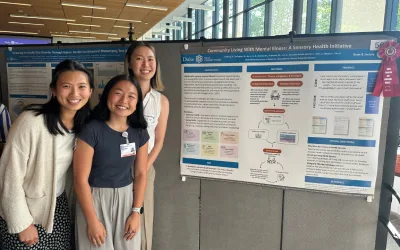
This Bass Connections team, part of the "Brain & Society" theme, has been developing a screening tool to help community mental health providers identify sensory health barriers affecting adults with serious mental illness.
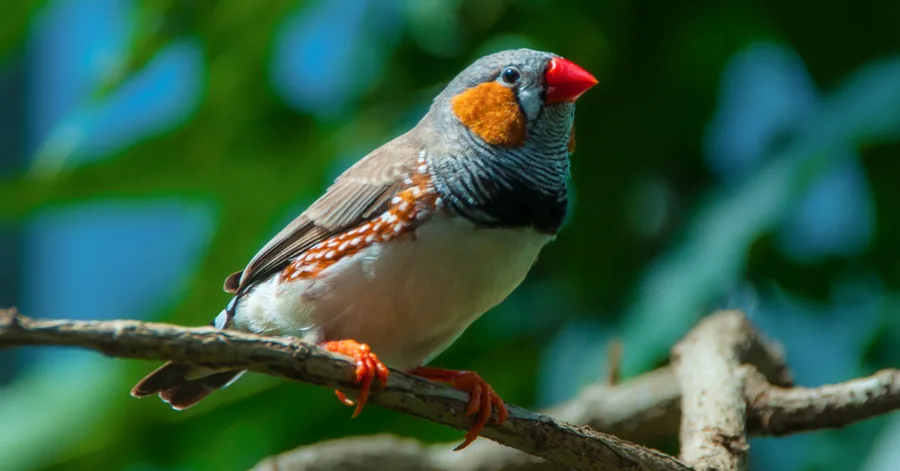
Duke neurobiologists studying baby birds pinpoint a single brain link that turns practice into skill, offering clues to learning speech and music in humans.
Nana Osaki studies the brain in Jamila Minga’s lab, focusing on how language changes after a stroke. During her sophomore year, she became the Blue Devil mascot – a role that depends on gestures. These experiences shape how she understands communication.
This key opinion leader event features Eleonora Lad, MD, PhD, Vice Chair of Ophthalmology Clinical Research at Duke University Medical Center, member of the Duke Institute for Brain Sciences faculty network and a recipient of a DIBS Incubator Award.




 research.io