Mutant NRAS has remained difficult to target in cancer. New findings suggest that its signaling partnership with wild-type HRAS may offer a targetable vulnerability, but effective strategies may need to be tailored to the specific NRAS mutation. The post NRAS Mutations May Require Mutation-Guided Combination Therapies appeared first on GEN - Genetic Engineering and Biotechnology News .
A more coherent approach: a peptide-mapping LC-HRMS (liquid chromatography-high resolution mass spectrometry) workflow that can identify and monitor multiple product quality attributes, including selected critical quality attributes, and resolve modifications to specific sites. In a single analysis, deamidation, oxidation, site-specific glycoforms, sequence variants, and other product-related fea…
The HiBiT Target Cell Killing (TCK) platform, with off-the-shelf, mix-and-match components, measures four killing mechanisms for broad immunotherapy modality assessment. The post ADCs, mAbs, CAR Ts: One Bioluminescent Platform Measures Them All appeared first on GEN - Genetic Engineering and Biotechnology News .
Rather than requiring genetic modification of the viral glycoprotein, G-Link uses a modular protein adaptor to blind native VSV-G tropism and redirect delivery after vector production. The post Targeted Lentiviral Delivery Without Vector Reengineering appeared first on GEN - Genetic Engineering and Biotechnology News .
ProBioGen’s AGE1.CR.pIX is a stable proliferating avian cell line derived from duck embryo primary cells. It was developed as an alternative to the use of chicken eggs for large-scale vaccine production. The post ProBioGen Grants Transgene Additional License for AGE1.CR.pIX Cell Line appeared first on GEN - Genetic Engineering and Biotechnology News .
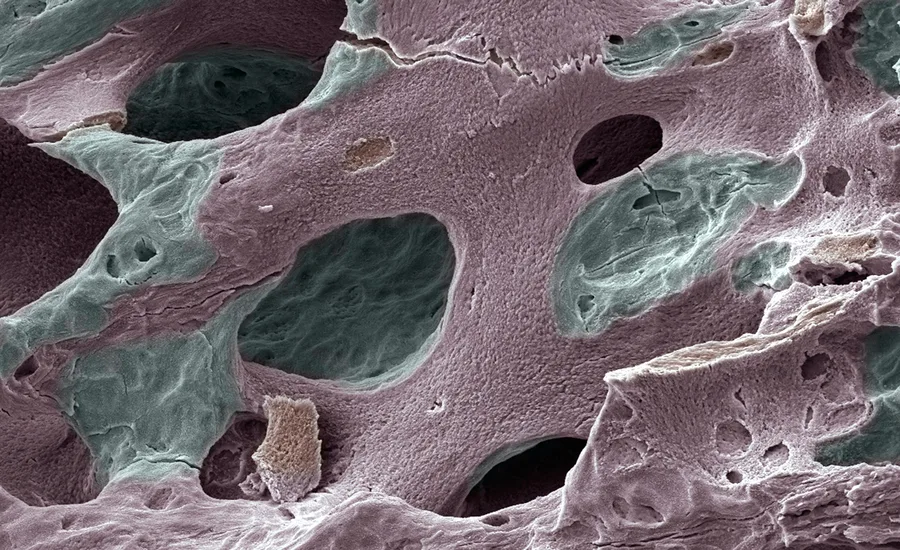
A preclinical study in post-menopausal bone loss mouse models found that CADD522, a small-molecule drug targeting RUNX2, protected against osteoporosis, prevented fat gain, and reversed some of the metabolic changes linked to menopause. The post Anticancer Candidate Strengthens Bones and Prevents Weight Gain in Postmenopausal Mice appeared first on GEN - Genetic Engineering and Biotechnology News…
The field of regenerative medicine is gaining momentum. Mesenchymal stem cells (MSCs) remain central to this field, with expanding applications as direct therapies and as producers of MSC-derived extracellular vesicles (MSC-EVs). This article examines the biological and regulatory factors shaping their promise. The post Regenerative Medicine in the Bronze Age: MSCs and MSC-EVs Leading the Way app…
The PROPEL program aims to control gene expression through RNA structure, building logic-gated RNA therapies that switch on only where and when intended, without altering the genome. The post RNAV8 Bio Joins ARPA-H Team to Pioneer Programmable RNA Medicines appeared first on GEN - Genetic Engineering and Biotechnology News .
BCB-276 is designed to treat diffuse intrinsic pontine glioma (DIPG) by targeting B7-H3, an immune checkpoint protein encoded by the CD276 gene that has been shown to be involved in tumor progression and immune evasion and is highly expressed in anywhere from 60% of solid tumor samples up to 93%, according to past studies cited by BrainChild Bio. The post With $116M in Series A Financing, BrainCh…
The collaboration brings together Synastra’s expertise in genomic engineering, AAV vector design, rare-disease gene therapy, and translational development with NewBiologix’s proprietary cell engineering and rAAV manufacturing technologies. The post NewBiologix and Synastra Join Forces to Advance rAAV Manufacturing for Duchenne Gene Therapy appeared first on GEN - Genetic Engineering and Biotechno…
Medicines Discovery Catapult provided its investment and expert support to help two biotech companies accelerate the development of new treatments for a range of autoimmune, inflammatory, and age-related diseases. The post Medicines Discovery Catapult Backs Two U.K. Biotech Companies Tackling Chronic Diseases appeared first on GEN - Genetic Engineering and Biotechnology News .
Researchers used a novel human 3D micro-bladder model to demonstrate how phage therapy could help to reduce recurrent urinary tract infections (UTIs) by attacking the reservoirs of bacteria hidden deep within the bladder wall, which antibiotics can’t address. The post Micro-Bladder Model Demonstrates How Phage Therapy Could Help to Reduce Recurrent UTIs appeared first on GEN - Genetic Engineering…
A new study from CHOP challenges the assumption that infant C. difficile colonization is harmless, finding that it can reshape the developing gut and immune system with potentially lasting health effects. The post <i>C. difficile</i> Have Lasting Effects on the Infant Gut, Challenging Long-Held Assumption appeared first on GEN - Genetic Engineering and Biotechnology News .
Venetoclax, a cancer drug that inhibits BCL-2, reduced the intact SIV reservoir in macaques, offering preclinical support for targeting BCL-2 as part of HIV cure strategies. The post Cancer Drug Reduces SIV Reservoir in Macaques, May Inform HIV Cure Strategies appeared first on GEN - Genetic Engineering and Biotechnology News .
The Flatiron Park facility in Colorado will serve as the Watchmaker Boulder Manufacturing Center of Excellence for reagent manufacturing and will house the company’s manufacturing, quality, R&D, and operations teams. The post Watchmaker Genomics Boosts Manufacturing Capacity with Major Boulder Campus Expansion appeared first on GEN - Genetic Engineering and Biotechnology News .
A study in mice traces immune cells that drive neurodegeneration to the body’s lymph nodes, suggesting that processes outside the brain contribute to the damage seen in various tauopathies. The post Immune Cells Driving Alzheimer’s-Like Neurodegeneration Traced to Lymph Nodes appeared first on GEN - Genetic Engineering and Biotechnology News .
A study found that psilocybin given before chemotherapy prevented the onset of nerve injury in mouse models, even after repeated treatment cycles, and also protected tumor-bearing mice from neuropathy, without impairing antitumor efficacy. The post Psilocybin Prevents Chemotherapy-Related Peripheral Neuropathy in Mice appeared first on GEN - Genetic Engineering and Biotechnology News .
Semaglutide improved health, reduced aging-related changes, and extended lifespan in older female mice, sometimes outperforming caloric restriction. However, human longevity benefits remain unproven. The post GLP-1 Drug Semaglutide Slows Aging and Extends Lifespan in Mice appeared first on GEN - Genetic Engineering and Biotechnology News .
Loss of function in the ALDH3B2 gene can convert human pancreatic duct cells into functional β-like cells that in tests secreted insulin in response to glucose, and lowered blood glucose levels when transplanted into diabetic mice. The post Converted Human Pancreatic Duct Cells Show Diabetes Therapy Potential appeared first on GEN - Genetic Engineering and Biotechnology News .
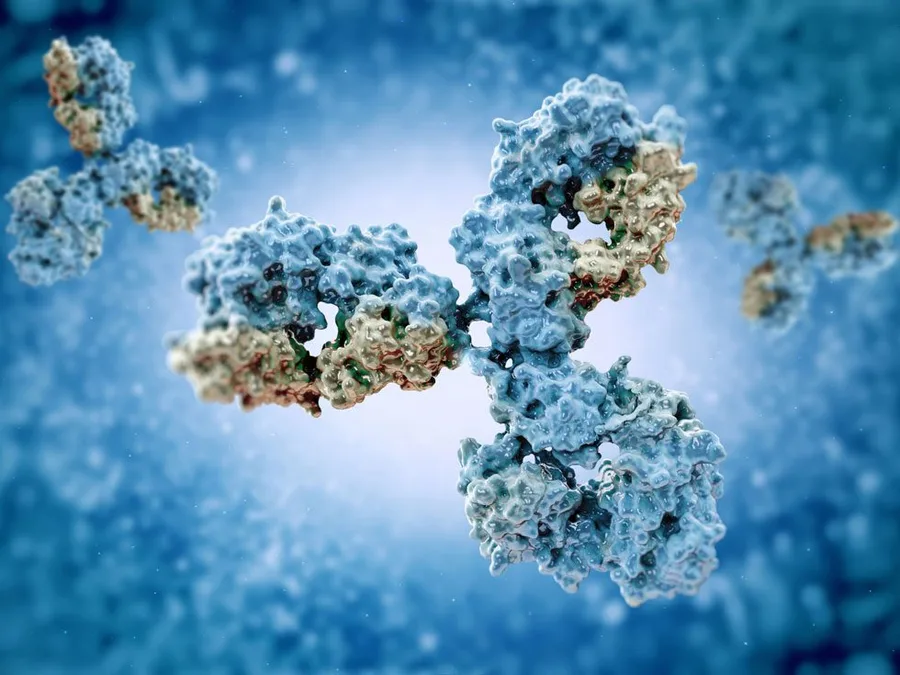
A new spectrometry technique could help companies better understand what happens when antigens and antibodies bind. Its developers hope it could help with applications including choosing formulation buffers during manufacturing. The post New Spectrometry Technique Could Aid Formulation Development appeared first on GEN - Genetic Engineering and Biotechnology News .
















 research.io