News – The Transmitter


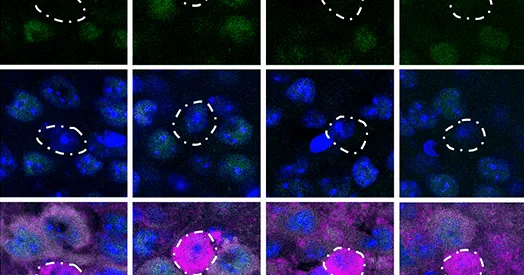
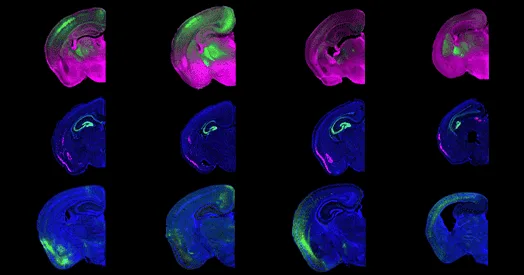
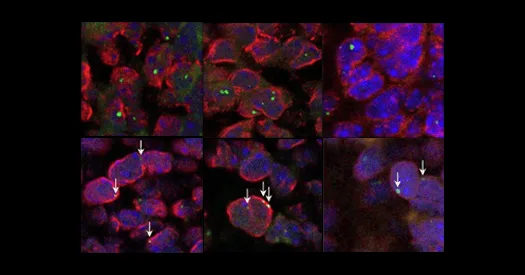
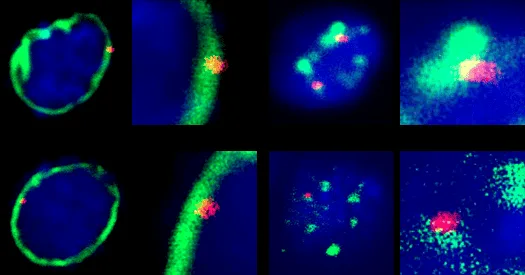
A study of developing human brain tissue suggests that genes switch on more strongly when they move from the nucleus’s edge toward structures that contain proteins involved in making and processing RNA.

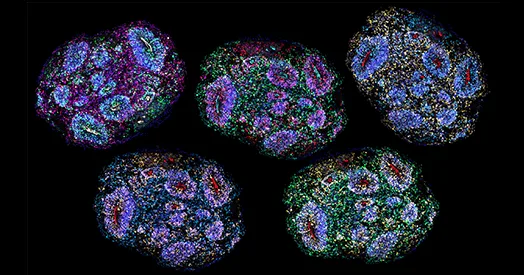
The cultured spheres typically mimic only prenatal development, but the five-year-old ones grown in Paola Arlotta’s lab acquired postnatal features.
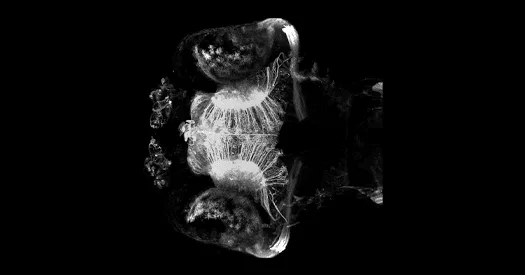
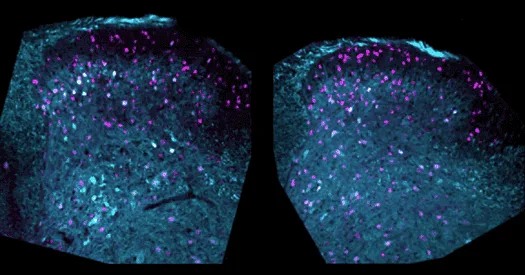
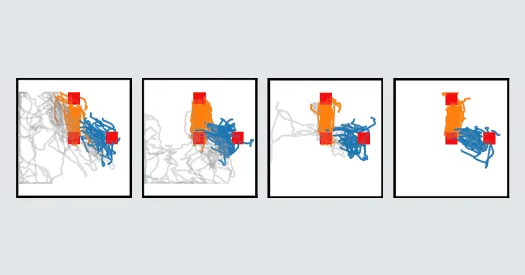
Precise optogenetic modulation of a medullary neuron population reveals their role in anxiety-like behaviors.

Here is a roundup of autism-related news and research spotted around the web for the week of 17 August.

The cells undergo a classic form of plasticity previously thought to occur only in downstream visual circuits.

Restoring an experience-dependent interneuron plasticity gene in adulthood improves memory and cuts seizures in CNTNAP2 knockout mice, a new study shows.

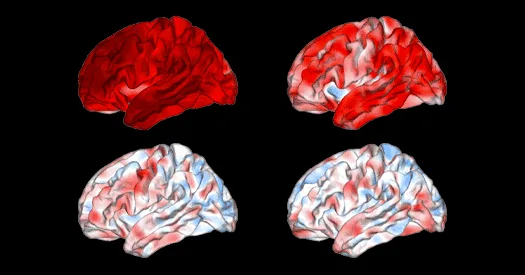
Small neuroimaging studies are unlikely to capture consistent anatomical changes related to conditions such as autism, schizophrenia and mood disorders, according to a new “wake-up call” study.

Sensory and association regions are established through a reciprocal process, according to a new model of cortical development.

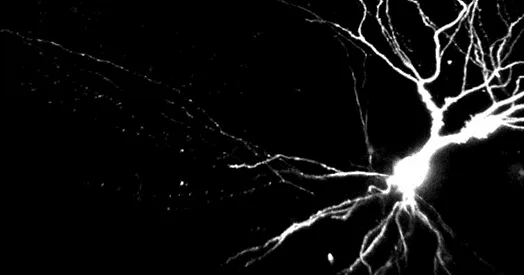
Depending on their distance from the cell body, dendrites play different roles in learning and memory.

Here is a roundup of autism-related news and research spotted around the web for the week of 27 July.

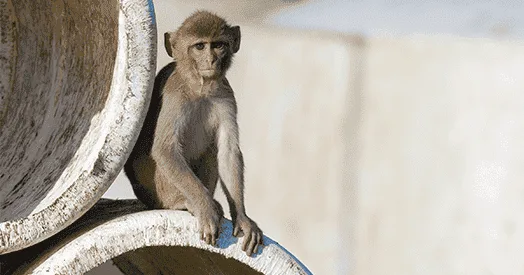
The center’s host university had been negotiating with the federal government about converting the center into an animal sanctuary. A new plan, approved today, preserves some of the center’s nonhuman primate studies.

A report from the Trump administration calls for a “new golden age” of science, in which the federal government supports mission-driven collaborations to deliver high returns on research investments.

The cells later repair the damage, which occurs mostly in transcriptionally silent parts of the genome.

Sensory traits and restricted and repetitive behaviors are best understood as distinct but related characteristics, the new work suggests.

Here is a roundup of autism-related news and research spotted around the web for the week of 20 July.

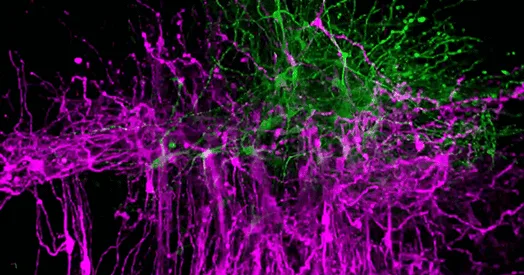
An increasing proportion of the cerebellar neurons acquired multiple primary dendrites in humans and other apes, according to a comparison of 11 primate species.

Alternating on/off firing patterns don’t just characterize deep, slow-wave sleep, they drive some of its restorative benefits, new findings suggest.

The invisible messages, which instruct large language models to use telltale phrases in a peer-review report, are effective in catching artificial-intelligence misuse but also erode trust, some say.
High gamma activity in electrophysiologic recordings reflects widespread neural activity, not merely local firing, as previously thought.
research.ioSign up to keep scrolling
Create your feed subscriptions, save articles, keep scrolling.