College of the Environment and Life Sciences
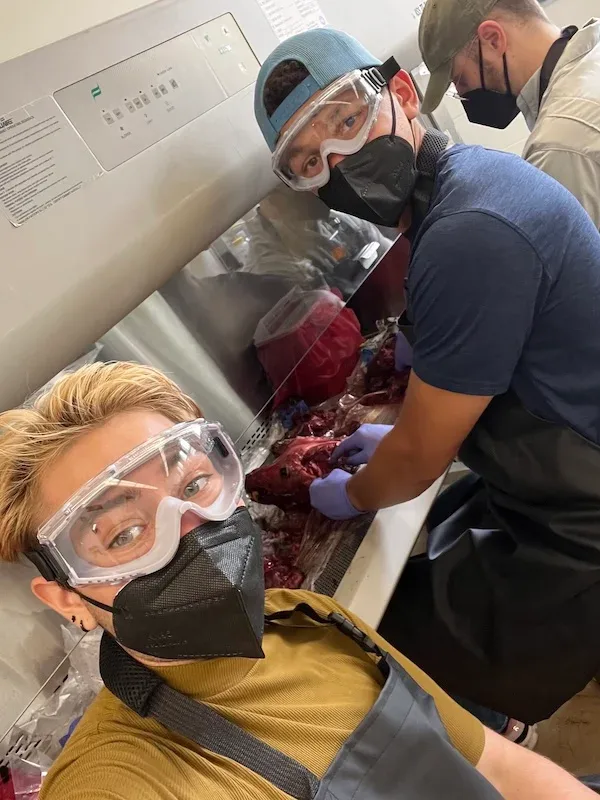
Marine biology junior Joshua Carr spent his summer investigating a rare behavior in wildlife research: gray wolves hunting and consuming sea otters.

Carissa Sherman is bringing GIS and environmental data to bear on one of Narragansett Bay's most persistent water-quality challenges.

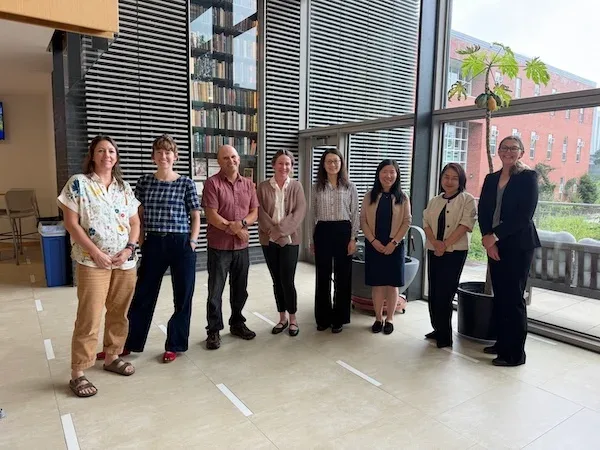
Dr. Ying Zhang, professor of cell and molecular biology, recently received a $4 million grant from the U.S. National Science Foundation to co-lead a collaboration with Louisiana State University to improve coastal wetland management in both states.
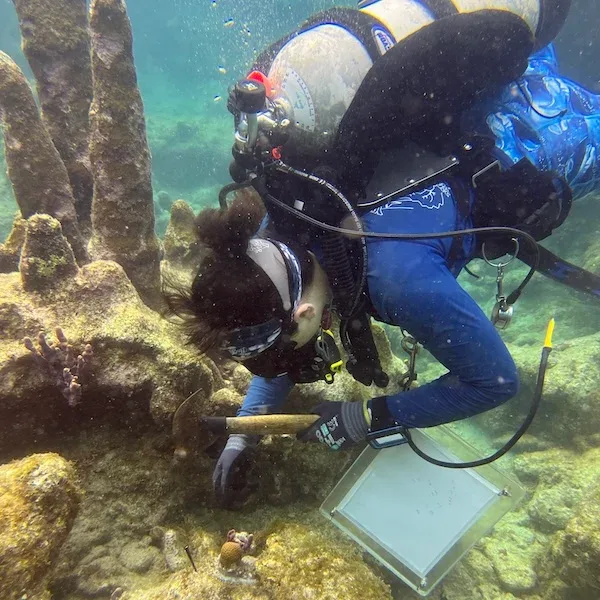
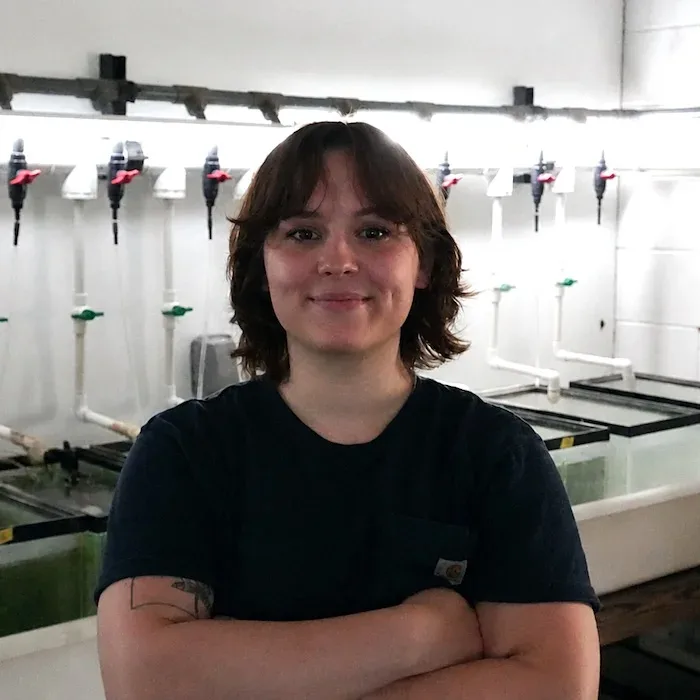
This summer, marine biology major Sofia Grabiel Butler traveled to Guana Island in the British Virgin Islands to investigate how coral reef habitat loss may be contributing to declines in fish populations.

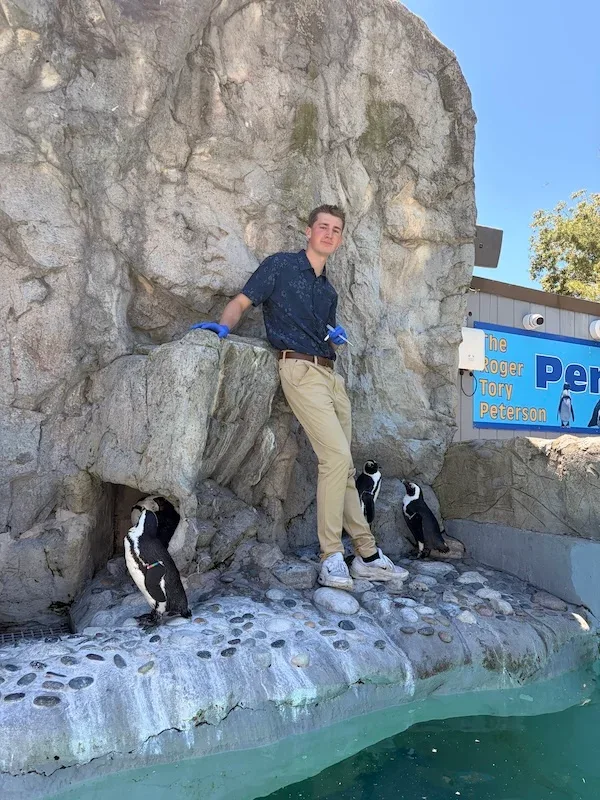
From penguins to rabbits, URI students are helping give imperiled species a better chance at survival. Under the mentorship of URI's Justin Richard and in partnership with leading zoos and aquariums, these CELS Summer Research Fellows are contributing to conservation efforts that reach far beyond the classroom.

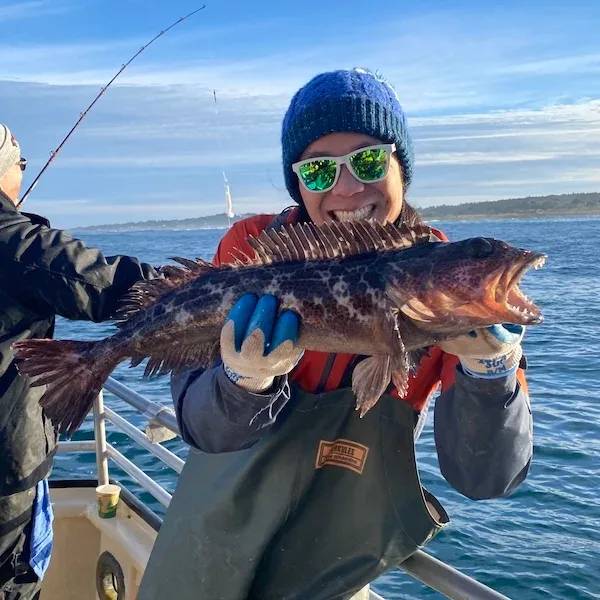
Dr. Garfield Kwan joins URI as an assistant professor of fish ecophysiology in the Department of Fisheries, Animal and Veterinary Science. His research explores how fish respond to aquaculture, wildfire runoff, and future ocean conditions.

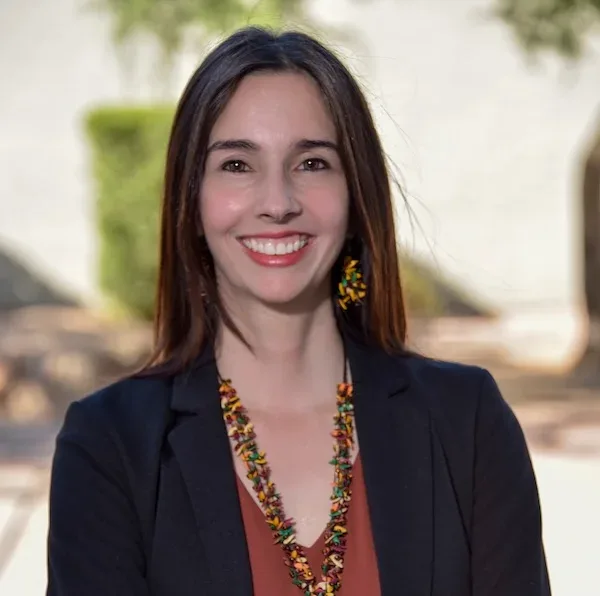
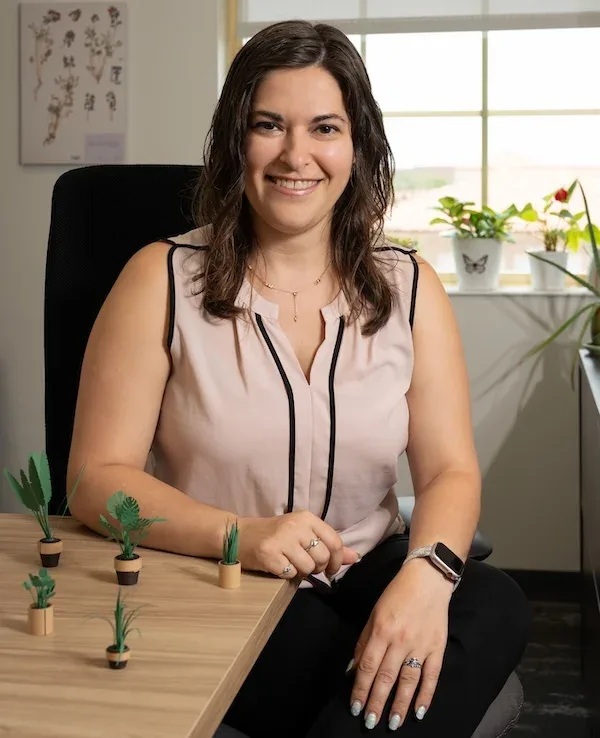
Dr. Carolina Michel is excited to explore how Indigenous knowledge and Western science can inform each other, how arts-integrated and place-based learning shape students' sense of belonging in the geosciences, and what it means to build a department where interdisciplinary work is the starting point, not an afterthought.

Erin Sweeney discovered aquaculture and fisheries science at URI — and found a way to bring together her passions for science, conservation, anthropology, and photography.

Carissa Sherman and Jaired Flanagan '26 used GIS, hydrologic modeling, and environmental data to investigate how water moves through Rhode Island communities — and how better stormwater management can protect local waterways and Narragansett Bay.
Mame Issa Ndoye identifies mosquitoes across Rhode Island as part of RIDEM's surveillance effort to track West Nile, Triple E, and Jamestown Canyon virus.
Nadine Soubotin brings a background spanning landscape architecture, urban design, and architecture to her work at the University of Rhode Island.
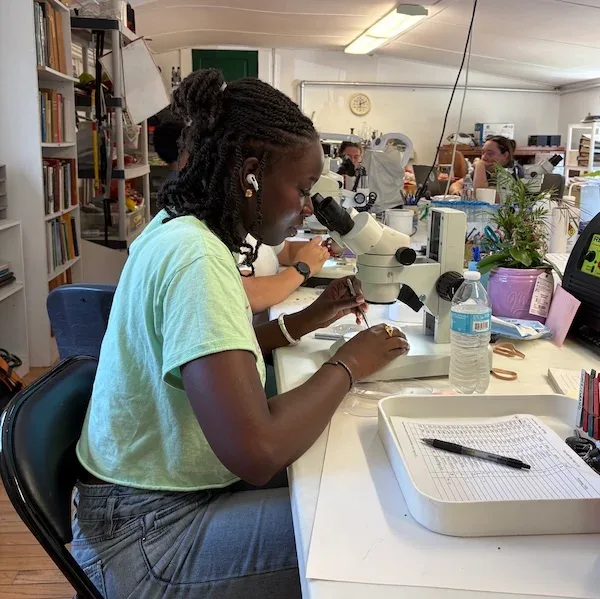
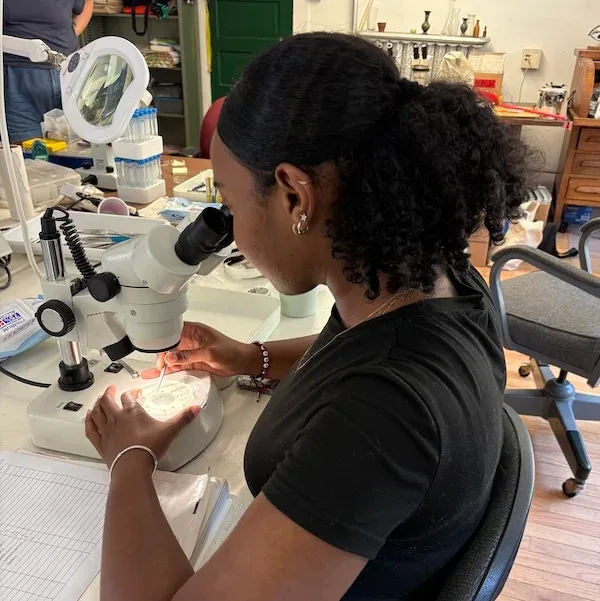
CELS Summer Research Fellow Azaliah Lopes spent the season in the field with RIDEM's mosquito abatement program, trapping and identifying mosquitoes across the state and testing for West Nile Virus, Eastern Equine Encephalitis, and Jamestown Canyon Virus.
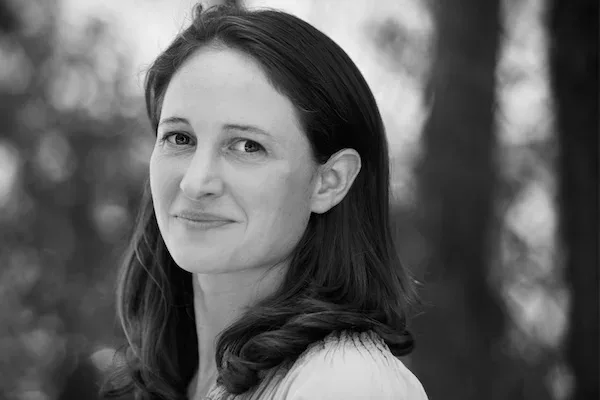
How do students learn to navigate challenges and persist through them? For Dr. Lisa Limeri, a new assistant professor in URI’s Department of Biological Sciences, that question is at the heart of her research.

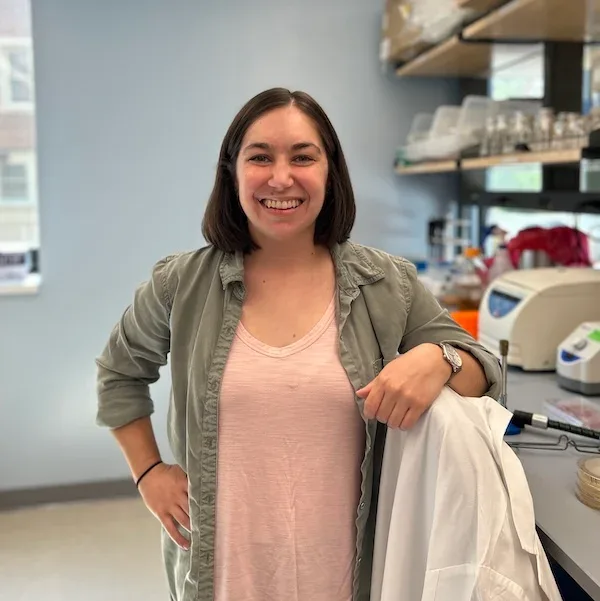
What happens when two very different microbes meet during an infection? For Dr. Kara Eichelberger, a new faculty member in the University of Rhode Island’s Department of Cell and Molecular Biology, that question is central to her research.
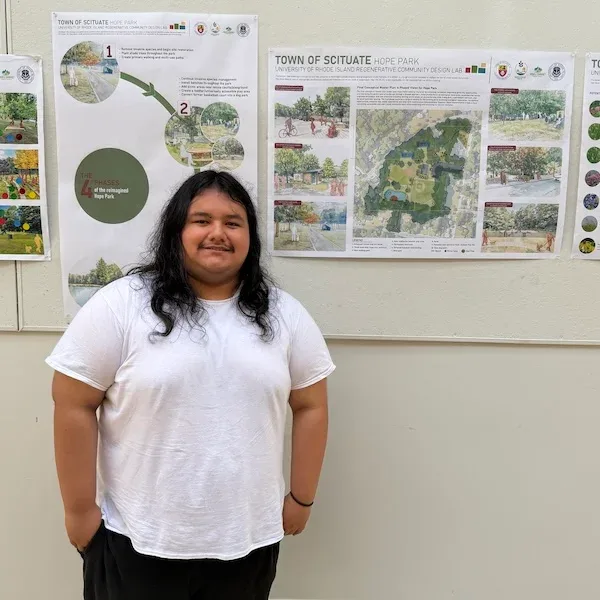
This summer, Anthony Cordova worked with communities in North Providence, Scituate, and Richmond to develop park designs shaped by community feedback, site history, culture, and ecology.

Eleni Mouyos, a double major in ocean engineering and marine biology, completed a summer internship at the Northeast Fisheries Science Center in Woods Hole, Massachusetts. It was funded through the National Oceanic and Atmospheric Administration Ernest F. Hollings Scholarship program.
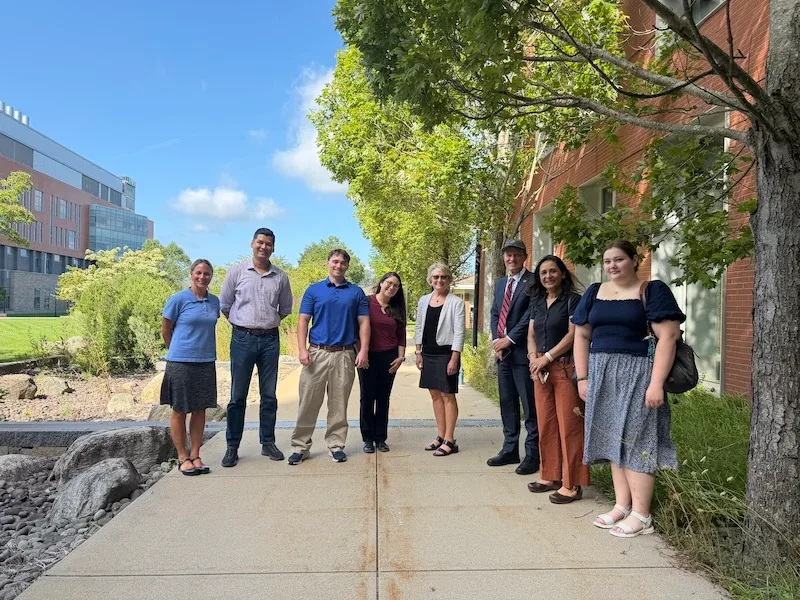
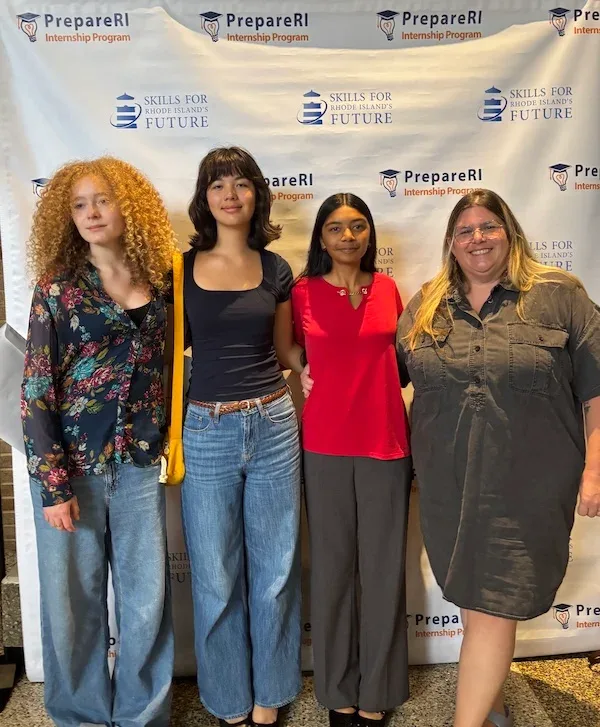
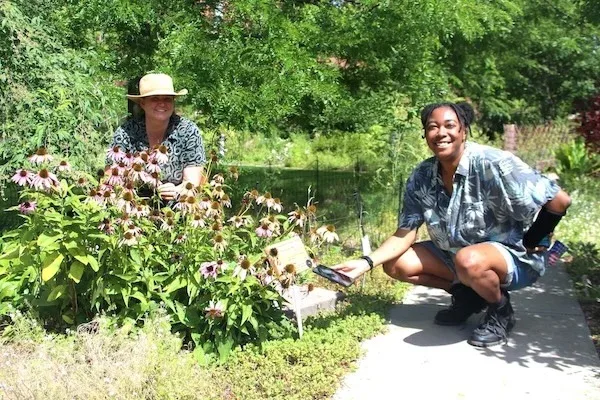
Three Rhode Island high school students spent the summer gaining hands-on experience with URI Cooperative Extension

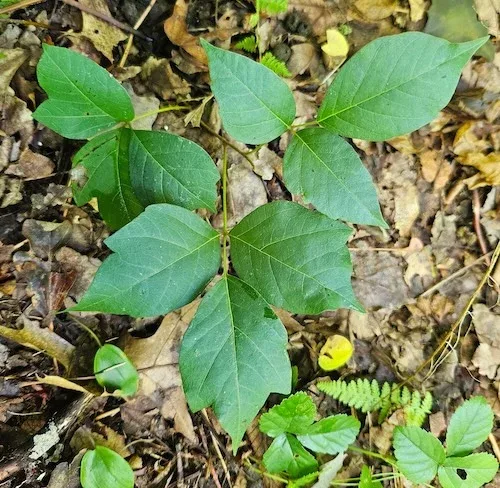
URI Natural Resources Science professor offers advice to avoid rash from unwelcome weed

research.ioSign up to keep scrolling
Create your feed subscriptions, save articles, keep scrolling.