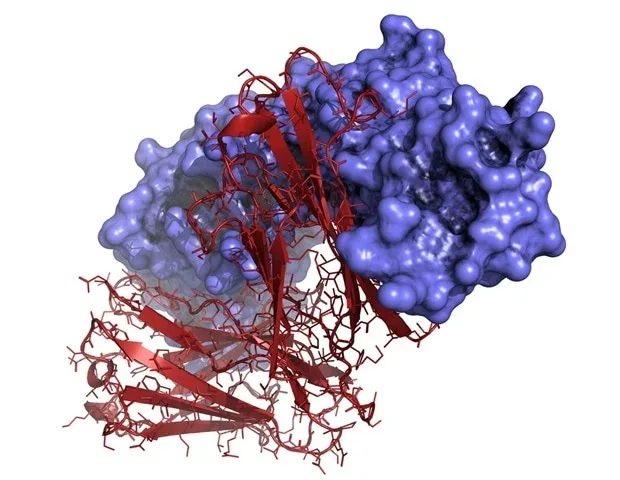
IntroductionOsteoarthritis (OA) exhibits substantial heterogeneity in synovial immune profiles, which may underlie variable analgesic responses to standard biological and neuromodulatory treatments. Remodeling the immune microenvironment while targeting nociceptive pathways may improve therapeutic consistency.MethodsAnalgesic efficacy of platelet-rich plasma (PRP) combined with transient receptor…
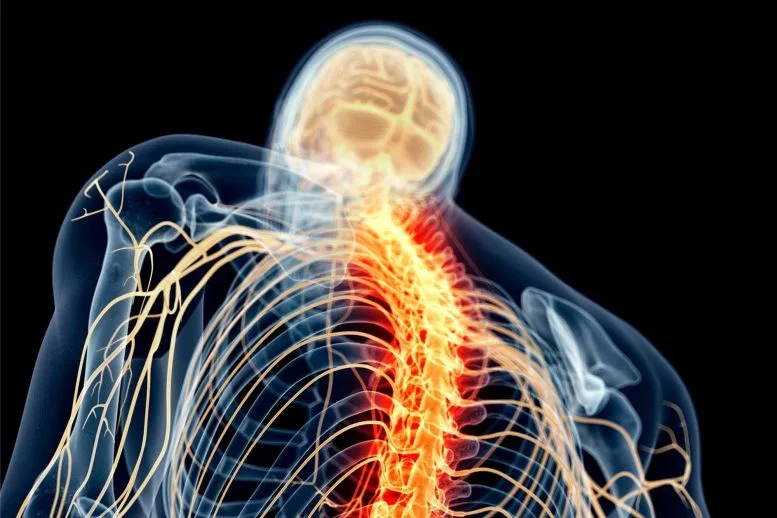
A protein widely associated with cancer may have another surprising role in the human body: helping damaged nerves create long-lasting pain. New research suggests that blocking this protein could provide scientists with a new strategy for treating chronic nerve pain that does not respond well to existing medicines. The protein, called BRAF, was studied by […] The post An Unexpected Cause of Chron…
WEDNESDAY, Sept. 1, 2026 — Back braces have been used for decades to treat low back pain, but a new review has concluded that they don’t appear to help much.There’s little to no quality evidence available showing that back braces are effective in...
A seed-sized injectable device could make nerve stimulation therapies simpler, safer, and more accessible. Researchers at NYU Abu Dhabi, working with Cleveland Clinic Abu Dhabi, have created a tiny injectable device that could offer a less invasive way to treat chronic pain and movement disorders. The device is designed to control nerve activity without surgery, [...]
A cancer-linked protein called BRAF may help drive chronic nerve pain, and existing cancer drugs targeting it reduced pain sensitivity in preclinical models. Chronic nerve pain can persist long after an injury and often responds poorly to standard pain medications. Researchers at The University of Texas MD Anderson Cancer Center now report evidence that BRAF, [...]
A cancer-linked protein called BRAF may help drive chronic nerve pain, and existing cancer drugs targeting it reduced pain sensitivity in preclinical models. Chronic nerve pain can persist long after an injury and often responds poorly to standard pain medications. Researchers at The University of Texas MD Anderson Cancer Center now report evidence that BRAF, […]
A compound extracted from a hallucinogenic mint plant used in traditional Mexican medicine reduces facial nerve pain in mice. The findings reveal the biological mechanism behind the plant's historic use and highlight a potential target for future pain treatments.
Researchers discovered a brain-based “brake” that can shut down chronic nerve pain in mice by calming an overactive pain circuit. Targeting this system more precisely could one day lead to powerful pain relief without affecting opioid receptors throughout the entire body.
Researchers at The University of Texas MD Anderson Cancer Center found new evidence that BRAF, a protein commonly involved in cancer, plays a key role in developing, amplifying and maintaining chronic pain caused by nerve damage. Using BRAF inhibitors reduced pain sensitivity in preclinical models, suggesting the therapeutic potential of this approach for treating chronic nerve pain.
Researchers at The University of Texas MD Anderson Cancer Center found new evidence that BRAF, a protein commonly involved in cancer, plays a key role in developing, amplifying and maintaining chronic pain caused by nerve damage. Using BRAF inhibitors reduced pain sensitivity in preclinical models, suggesting the therapeutic potential of this approach for treating chronic nerve pain.
In this session: Kris Kruse-Elliott, DVM, PhD, DAVCAA, explores the principles of multimodal analgesia and how to apply them throughout the perianesthetic period in both canine and feline patients.
In this session: Kris Kruse-Elliott, DVM, PhD, DAVCAA, explores the principles of multimodal analgesia and how to apply them throughout the perianesthetic period in both canine and feline patients.
A new experimental pain medicine may offer strong relief after surgery without using opioids. In a clinical trial involving adults recovering from tummy tuck surgery, the drug LTG-001 reduced moderate-to-severe pain more than an inactive placebo. The higher dose also produced encouraging results compared with a commonly used opioid treatment, although the study was not […] The post New Pain Drug …
BackgroundHerpes zoster (HZ) results from reactivation of latent varicella-zoster virus and is a major cause of morbidity, particularly among older adults and immunocompromised individuals. Post-herpetic neuralgia (PHN), the most common chronic complication of HZ, is characterized by persistent neuropathic pain that can substantially impair quality of life. Despite advances in antiviral therapy a…
For severe and chronic pain management, opioids are often the only option. This class of drugs comes with well-documented risks, including addiction, respiratory problems and overdose.
There are headaches, and then there are cluster headaches. Most people who have experienced both don’t need the distinction explained. Neurologists describe cluster headaches as one of the most severe pain conditions in all of medicine. Patients who have lived through them often say nothing else compares. What is a cluster headache, exactly? It’s a...







 research.io